Nestled high in the Andes, Lake Titicaca is a place of wonder. It is the highest navigable lake in the world.
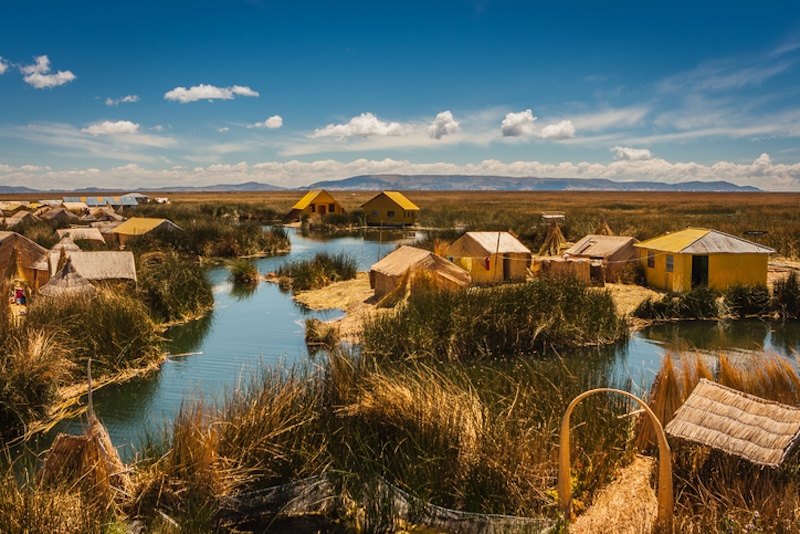
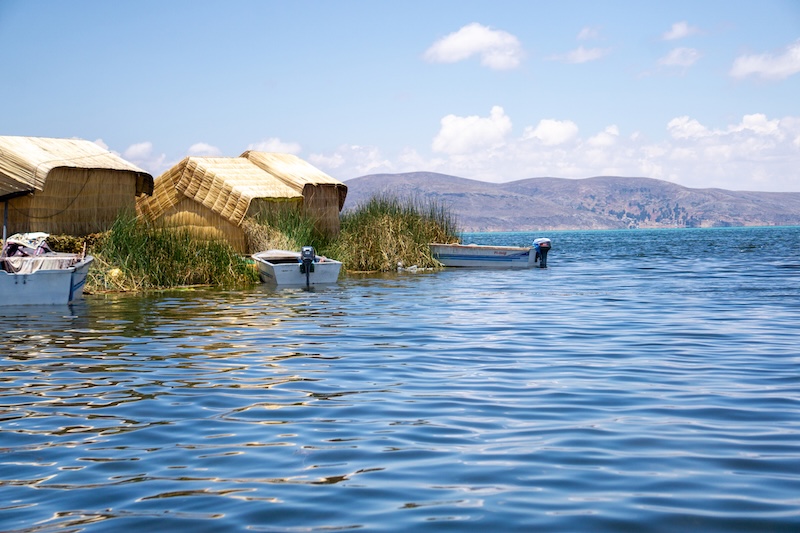
Here, the Uros Floating Islands offer a glimpse into a unique way of life. These islands are crafted from totora reeds.
The Uros people have been living on these floating marvels for centuries. Their culture is rich and deeply rooted in tradition.
Visitors to the Uros Islands are welcomed with open arms. The community is eager to share their heritage.
The islands are a testament to human ingenuity. They are anchored to the lake bed, preventing them from drifting away.
Tourists can explore the islands through guided tours. These tours offer insights into the Uros' daily life and customs.
The Uros Floating Islands are more than a tourist attraction. They are a living museum of Andean culture.
For those seeking a unique travel experience, the Uros Islands are a must-visit destination.
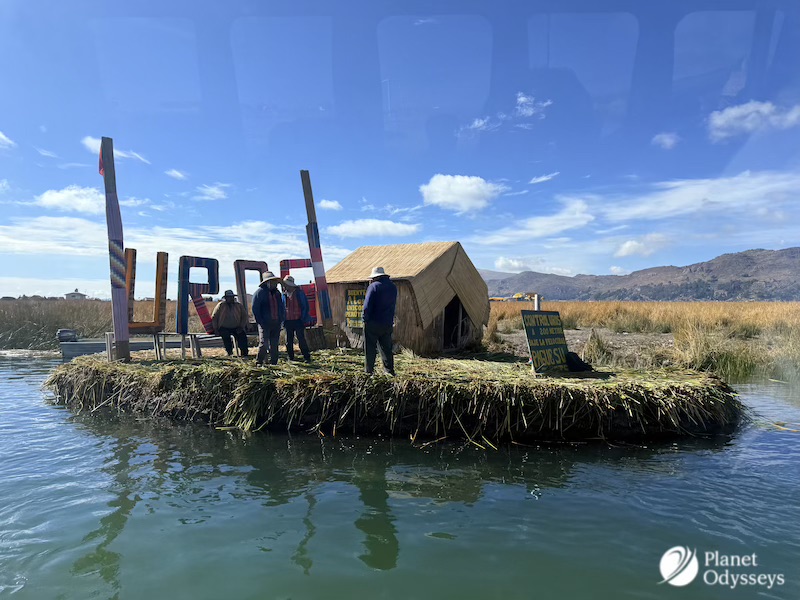
The Enchanting Setting: Lake Titicaca and Its Significance
Lake Titicaca straddles the border between Peru and Bolivia, spread across a breathtaking expanse. This majestic lake is not just the world’s highest navigable lake, but a cradle of Andean civilization.
Its waters hold sacred significance for the indigenous people. They see it as a source of life and legend. According to folklore, it was from Lake Titicaca's depths that the first Inca rulers emerged.
The lake’s surface mirrors the towering Andean peaks. This creates a landscape that is both serene and awe-inspiring. It’s easy to understand why the ancient peoples revered this natural wonder.
Here's why Lake Titicaca captivates all who visit:
- Cultural richness: Home to ancient practices and beliefs.
- Natural beauty: Stunning vistas and diverse wildlife.
- Historic significance: A birthplace of Inca mythology.
Beyond its aesthetic charm, Lake Titicaca is vital to the local economy. The fishing, agriculture, and tourism industries thrive due to its presence. This lake is a vibrant resource, sustaining both the land and the people who call its shores home.
Origins and History of the Uros Floating Islands
The Uros Floating Islands are a remarkable feat of human ingenuity. These islands were crafted to ensure safety from rival tribes. By constructing floating homes on Lake Titicaca, the Uros people found refuge and autonomy.
Long before the Inca Empire rose to power, the Uros lived on these waters. Their motivation was to escape conflict and find peace. Today, these islands hold a deep historical significance, a testament to adaptability and survival.
These islands are not natural formations but are made by the hands of the Uros. They are crafted using totora reeds, which grow abundantly in the lake. This practice is centuries-old, showcasing their deep connection to the environment.
Key historical aspects include:
- Origins: Formed as a defensive strategy from aggressive neighbors.
- Durability: Floating islands continually rebuilt and maintained.
- Cultural heritage: A living museum of pre-Incan culture.
The craftsmanship involved in creating these islands is passed down through generations. This has allowed the Uros to preserve their culture and lifestyle. Their story is one of resilience, of a community that has embraced its traditions while adapting to modern times. Today, the Uros Floating Islands remain a vibrant symbol of cultural perseverance on Lake Titicaca.
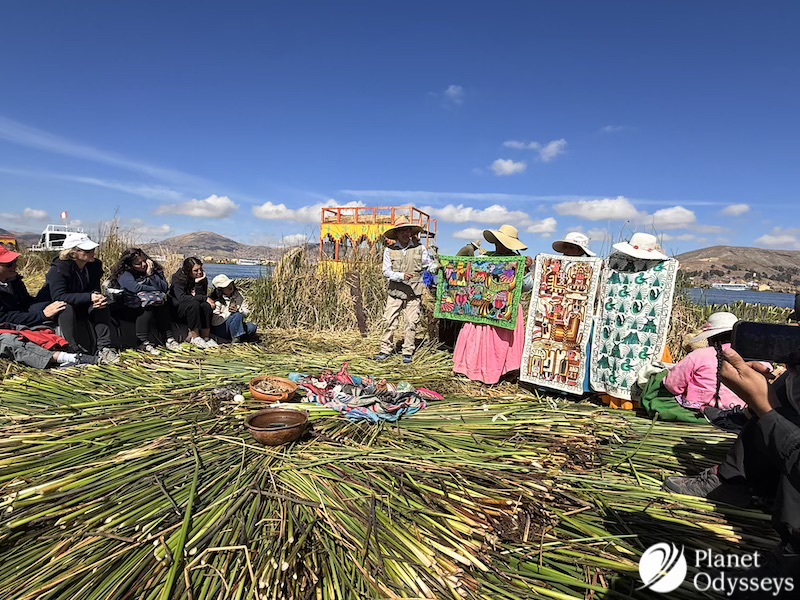
Ingenious Construction: How the Floating Islands Are Made
The construction of the Uros Floating Islands reflects a deep connection with nature. Totora reeds are the primary material used, harvested right from the lake’s edges. These reeds are lightweight yet strong, making them ideal for floating platforms.
Building an island starts with bundling these reeds into dense layers. Each layer is meticulously stacked to ensure stability and buoyancy. Anchors made from eucalyptus poles help secure the islands in place, preventing them from drifting.
The steps involved in constructing these marvels include:
- Reed Harvesting: Collecting totora reeds from around Lake Titicaca.
- Layering: Creating a base with interwoven reed layers.
- Anchoring: Securing with anchors to prevent movement.
Maintenance is a continuous process. As bottom layers decay, they add new reeds on top. This upkeep ensures the islands remain safe and functional for daily life.
The intricate process stands as a testament to the Uros' sustainable practices. By using natural, renewable materials, they support their lifestyle while respecting the lake. This ingenious use of resources highlights how traditional knowledge and skills have thrived over centuries on Lake Titicaca.
Life on the Uros Islands: Traditions and Daily Living
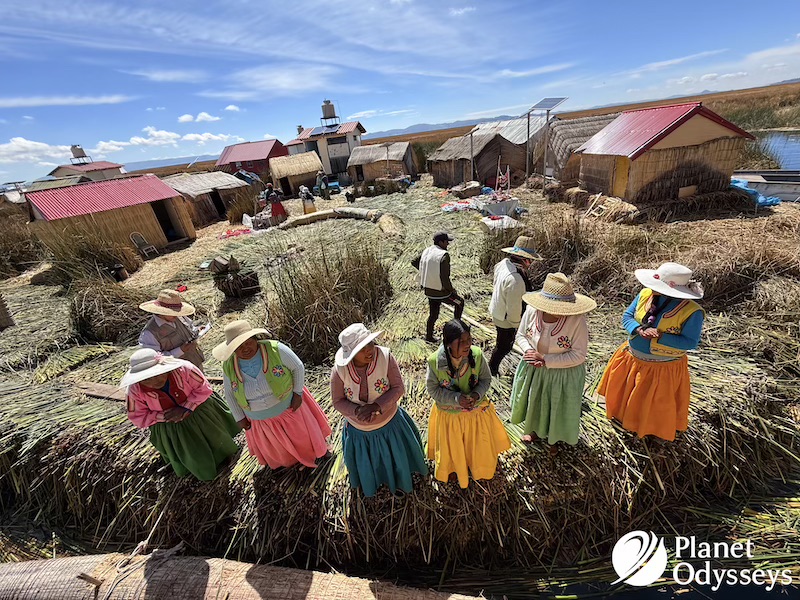
Life on the Uros Islands is a tapestry of tradition and modernity. Amidst this unique setting, the Uros people continue to uphold customs passed down through generations. Daily life is deeply intertwined with the natural environment of Lake Titicaca.
Family and community form the core of Uros society. Cooperative living is essential, as families work together to maintain their islands. Tasks like fishing and crafting are joint responsibilities, promoting unity and cooperation.
Traditional crafts remain central to Uros culture. Residents are experts in weaving intricate patterns using totora reeds. These crafts serve both practical and artistic purposes. They find utility in everyday life and as goods for sale to tourists.
Key aspects of daily life on the islands include:
- Fishing: A staple activity providing food and income.
- Craft Making: Includes weaving and boat building.
- Community Gatherings: Festivals and communal events.
Education has reached the islands, blending tradition with new knowledge. Schools teach local children about their heritage alongside standard subjects, preparing them for the wider world.
Electricity is limited, with solar panels providing a modern touch. Despite these advancements, the Uros people remain deeply connected to their traditions. This resilience ensures their cultural heritage is cherished while adapting to the evolving world surrounding Lake Titicaca.
The Uros People: Language, Social Structure, and Spirituality
The Uros people preserve a rich linguistic heritage, speaking mainly Aymara. Some members also speak Spanish, bridging interactions with visitors. This bilingual ability enhances cultural exchange on the Uros Islands.
Social structure on the islands is communal. Leadership roles are often shared among elders and respected members. This system ensures all voices are heard in decision-making processes and maintains harmony within the community.
Spirituality holds a central place in Uros life. The Uros people have a profound connection to Lake Titicaca, which they consider sacred. This deep respect for nature influences their daily practices and ceremonies.
disable
[simple-author-box]