Lake Titicaca, a shimmering jewel in the Andes, captivates with its vastness and mystery. Straddling the border of Peru and Bolivia, it is the largest lake in South America. Its waters are a mirror to the sky, reflecting the rich cultural tapestry of the region.
This sacred lake is steeped in legend and history. It is said to be the birthplace of the Inca civilization. The lake's islands and shores are home to vibrant communities with deep-rooted traditions.
Adventure photographers will find endless inspiration here. The play of light on the water and the dramatic landscapes offer stunning photographic opportunities. Each sunrise and sunset paints a new masterpiece across the horizon.
Cultural anthropologists can delve into the unique lifestyles of the indigenous peoples. The Uros, Taquileños, and Amantaní communities each offer a glimpse into ancient customs. Their traditions have been preserved through generations.
Travelers to Peru Lake Titicaca are invited to explore responsibly. Sustainable tourism is vital to protect this fragile ecosystem. Visitors can engage with local communities, learning and sharing in a respectful manner.
The lake's high altitude presents challenges, but the rewards are immense. From the bustling city of Puno to the serene floating islands, Lake Titicaca is a world of wonder. It is a place where time seems to stand still, inviting exploration and reflection.
Lake Titicaca in Peru: An Overview
Lake Titicaca, renowned as the world's highest navigable lake, is a symbol of mystical allure. Perched at 3,812 meters above sea level, its significance reaches beyond mere geography. The lake is a lifeline for the communities that surround it.
This ancient body of water spans two nations—Peru and Bolivia. In Peru, it is a central feature of the Puno Region. The lake's vast expanse covers approximately 8,372 square kilometers.
The name "Titicaca" is believed to derive from the Quechua words for "rock of the puma." This reference highlights local legends of a puma-shaped stone hidden beneath its depths. Locals honor these stories during seasonal festivals.
Features of Lake Titicaca:
- High Elevation: Highest navigable body of water worldwide.
- Cross-Border: Situated between Peru and Bolivia.
- Biodiversity: Home to unique plant and animal life.
The lake is not just a natural wonder; it is also rich in cultural heritage. The shores and islands are steeped in traditions passed down through countless generations. It remains a key focal point of Andean spirituality.
The city of Puno serves as the primary hub for those wishing to explore the lake. Regular tours allow travelers to experience its natural beauty and vibrant culture firsthand. Ferry rides connect them to several historical and cultural sites.
For visitors, understanding the lake's diverse ecosystem is essential. It supports numerous endemic species, underscoring the importance of conservation efforts. Such initiatives aim to preserve both the lake's ecological and cultural treasures.
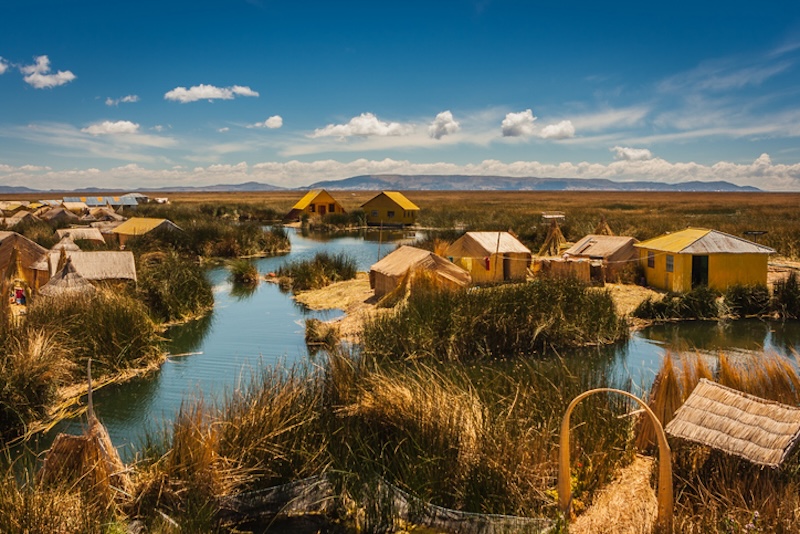
The Geography and Natural Beauty of Lake Titicaca South America
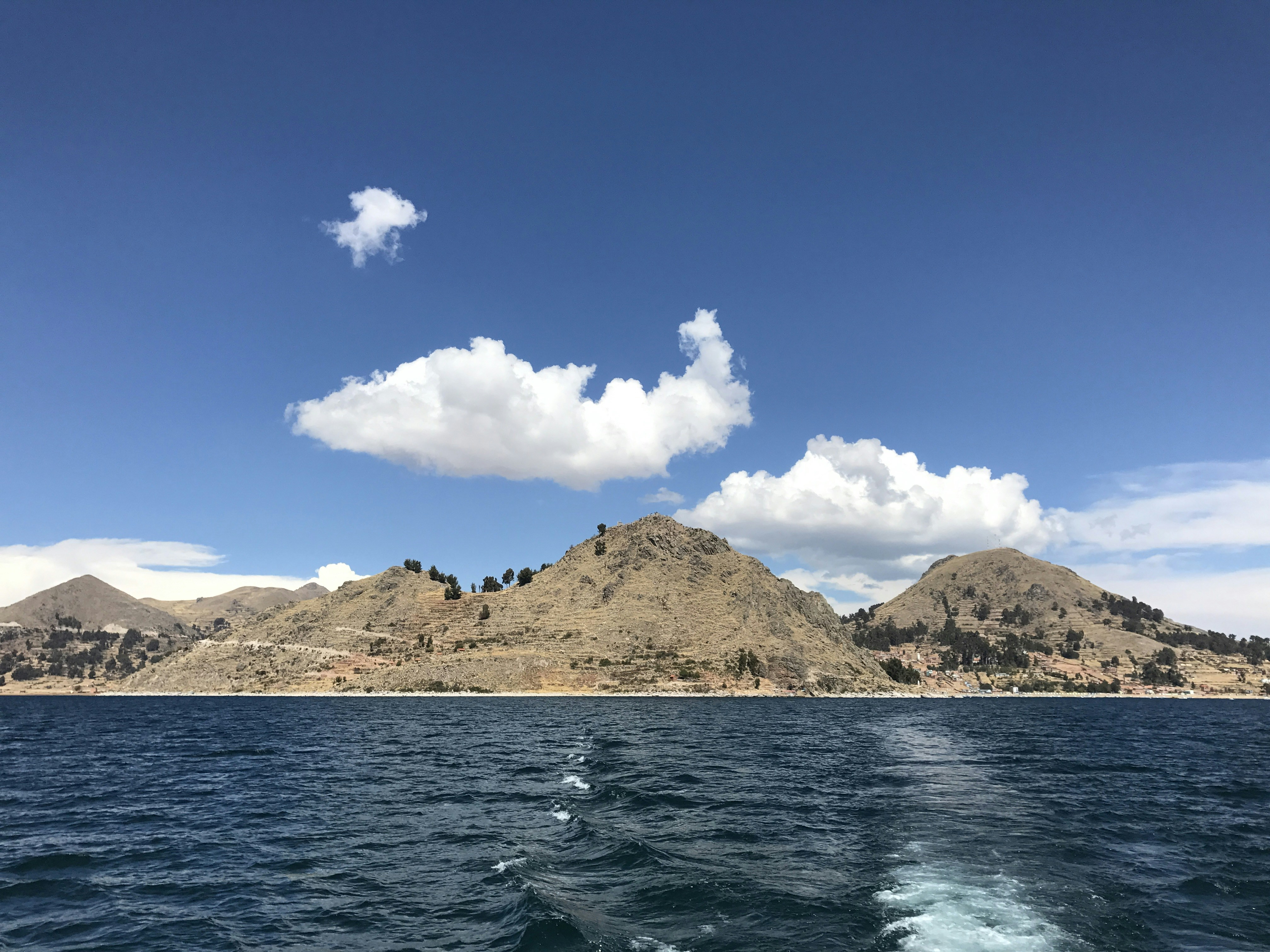
Lake Titicaca, a geographical wonder, showcases the pristine beauty of the Andes. Nestled at high altitude, it offers unmatched vistas. The expansive blue waters reflect clear skies, creating a serene landscape.
The lake’s surface area stretches across numerous islands and peninsulas. Its geography is varied, with rocky shores and hidden bays. Each feature contributes to the lake's distinct charm.
Surrounding mountains offer a backdrop of majestic peaks. These peaks cast shadows over the lake during beautiful sunrises and sunsets. The resulting view is a paradise for photographers and travelers alike.
The lake's clear waters are home to unique biodiversity. Endemic species like the Titicaca water frog thrive here. This biodiversity is a crucial part of the lake’s natural appeal.
Highlights of Lake Titicaca's Natural Beauty:
- Crystal-Clear Waters: Perfect for reflective photography.
- Imposing Mountain Backdrop: Offering stunning panoramic views.
- Rich Biodiversity: Featuring unique flora and fauna.
Lake Titicaca Travel also offers sights of its lush surrounding landscapes. These areas are filled with local plants, supported by a diverse ecosystem. Trekking along these paths immerses you in untouched nature.
Additionally, the atmosphere at Lake Titicaca is peaceful and inviting. It provides a tranquil escape from bustling city life. Visitors can experience a rare connection with nature in this stunning locale.
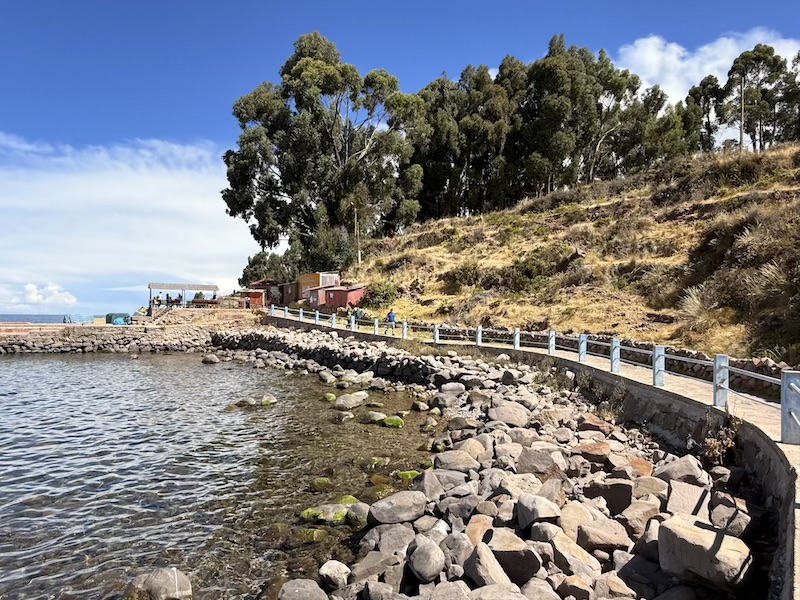
The Cultural Significance of Lake Titicaca
Lake Titicaca holds profound cultural significance in South America. It’s more than just a body of water; it’s a cradle of ancient civilizations. Its shores have witnessed the rise and fall of important cultures.
For the Incas, Lake Titicaca was sacred. They believed it to be the birthplace of the sun god, Inti. This deep spiritual connection continues to influence local traditions today.
Local communities around the lake practice age-old customs. These traditions have been passed down through generations. They add layers of cultural richness to the region.
Residents of the lake's islands maintain vibrant cultural identities. Each island has its distinct practices and languages. This diversity is a draw for cultural anthropologists and travelers alike.
Cultural Highlights of Lake Titicaca:
- Inca Mythology: A sacred site within Andean belief.
- Traditional Crafts: Artisanal skills preserved by indigenous communities.
- Festivals and Rituals: Celebrations that showcase deep-rooted customs.
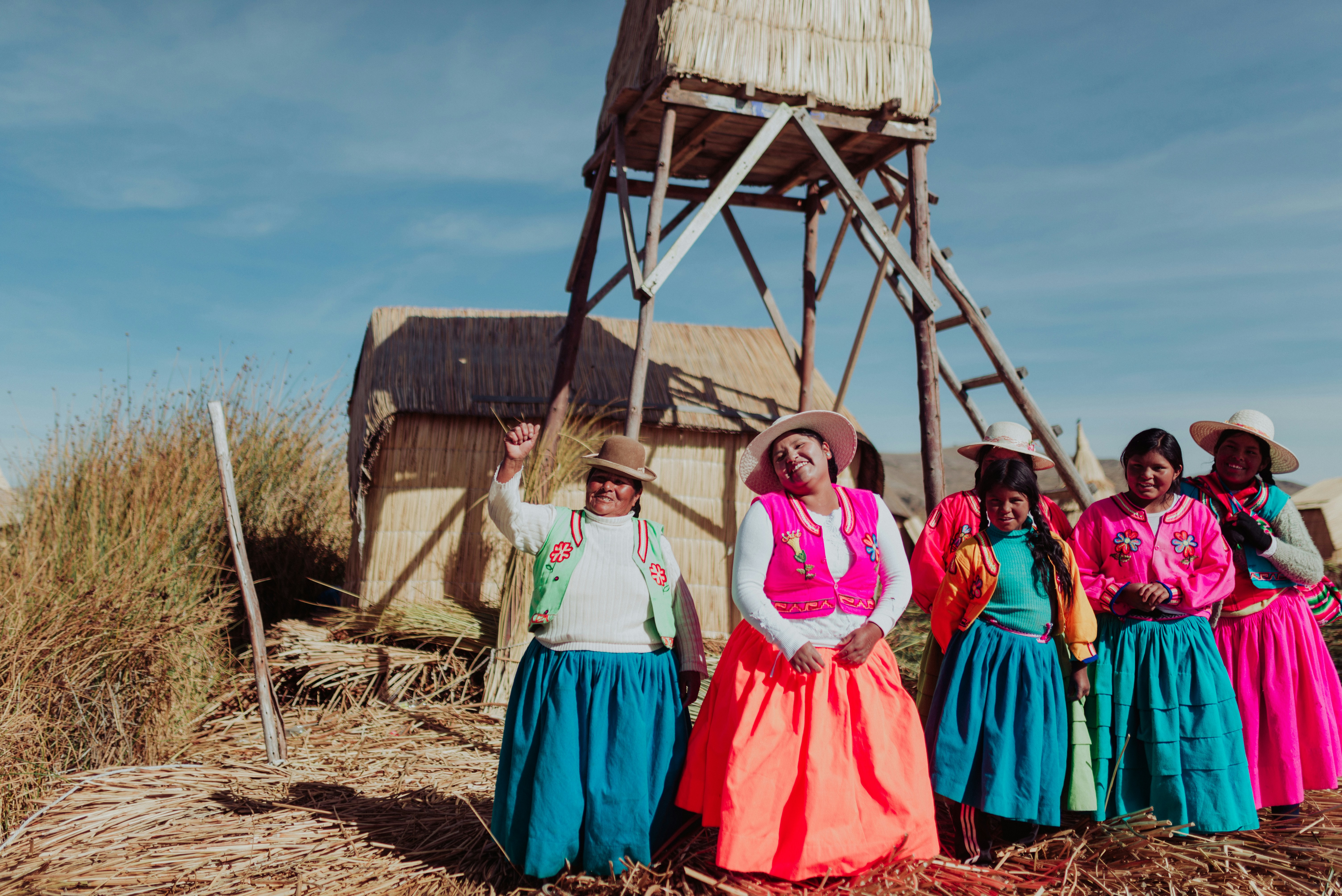
Festivals around Lake Titicaca are grand displays of cultural heritage. They blend traditional music, dance, and colorful attire. These events offer an immersive experience into the local way of life.
The lake’s cultural significance is evident in its UNESCO recognition. This acknowledgment highlights its role as a living heritage site. Preserving this cultural tapestry is vital for future generations.
The Uros Floating Islands: Life on the Reeds
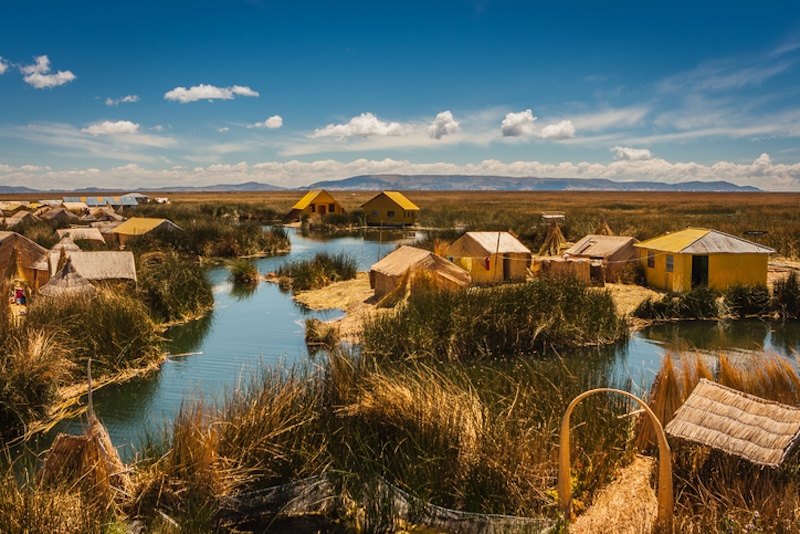
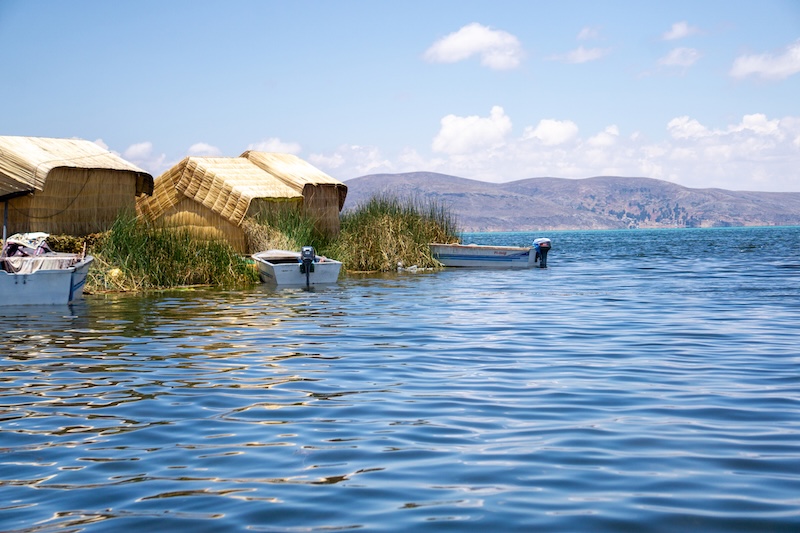
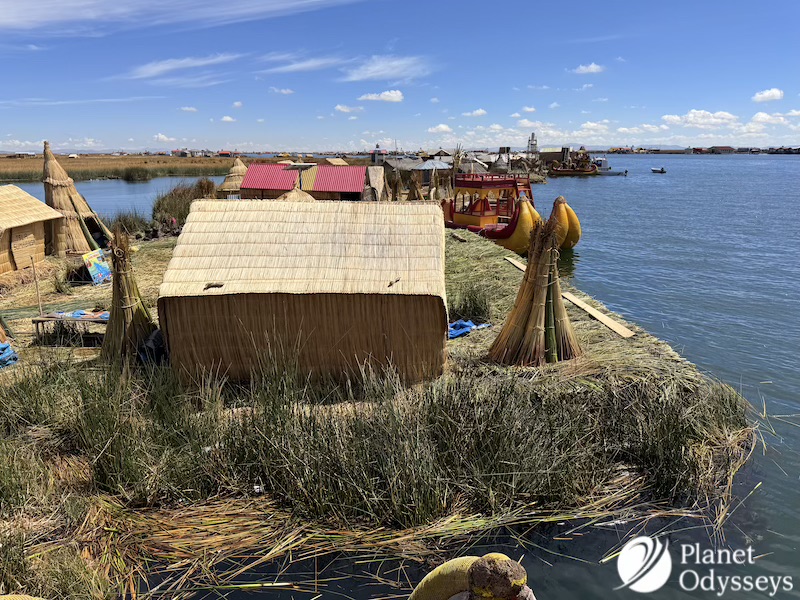
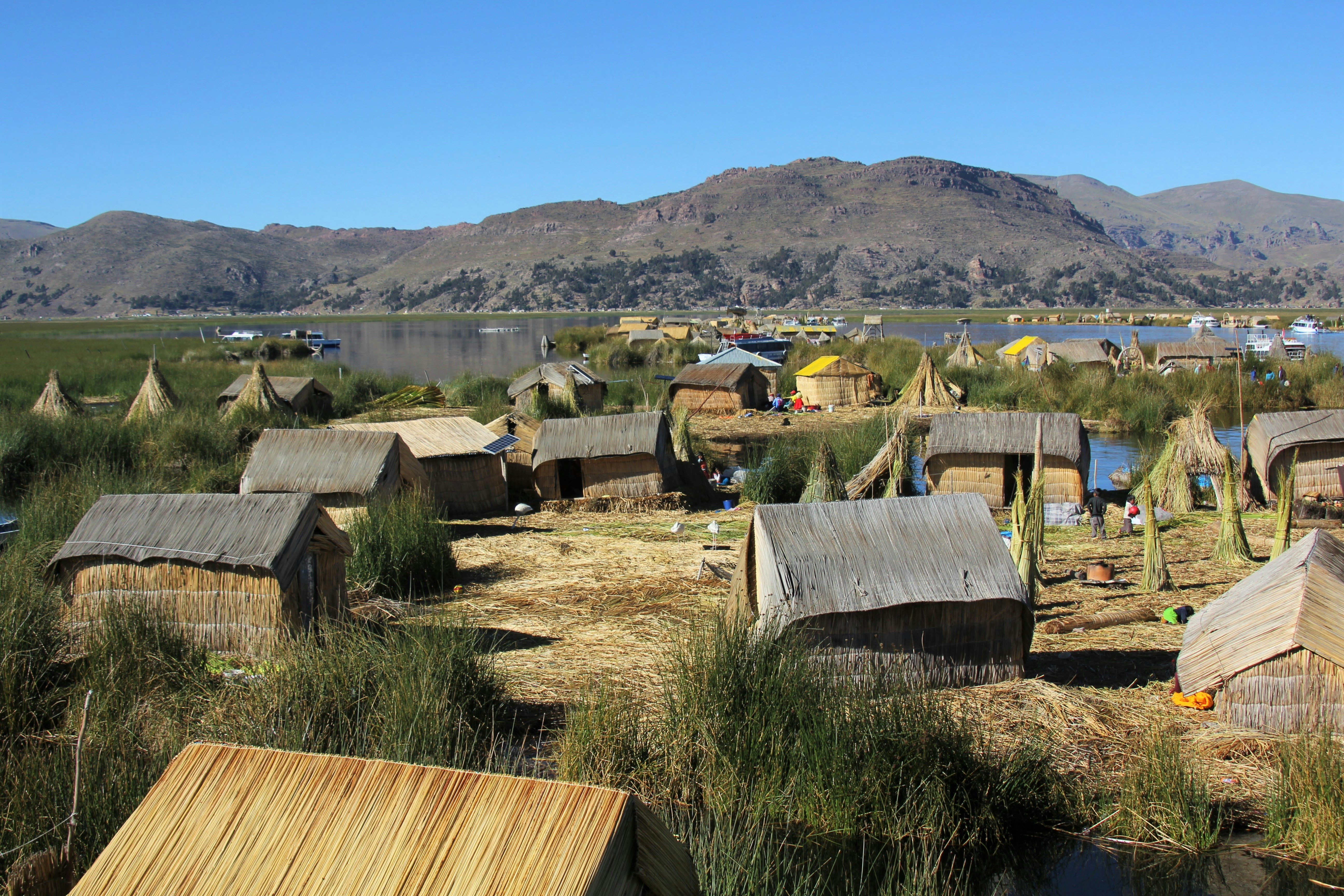
Lake Titicaca is renowned for its remarkable Uros Floating Islands. These islands are intricately crafted from totora reeds. They offer a unique glimpse into a way of life unlike any other.
The Uros people have lived on these islands for centuries. They construct their homes, boats, and even lookout towers from reeds. This sustainable lifestyle is both ingenious and fascinating.
The reeds are harvested from the lake itself. They are used to create layers, which form a stable platform. This craftsmanship requires great skill and traditional knowledge.
Visitors to these islands can witness the vibrant culture firsthand. The Uros communities are welcoming and eager to share their heritage. This interaction is a highlight for many travelers.
Key Features of the Uros Islands:
- Reed Construction: Ingenious use of natural resources for building.
- Traditional Fishing: Essential for local sustenance and economy.
- Artisan Crafts: Handmade items that reflect cultural creativity.
For adventure photographers, the islands offer stunning visuals. The contrast of the golden reeds against the blue sky is extraordinary. Photographs captured here are truly unique.
The islands also provide valuable insights for cultural anthropologists. They are a living testament to human adaptability. Studying the Uros lifestyle can deepen understanding of sustainable living.
Engaging with the Uros people fosters cultural exchange and learning. Travelers can contribute by respecting local customs and traditions. This ensures the islands remain an enduring cultural jewel.
Taquile Island: Textiles, Traditions, and Timeless Views
Taquile Island, nestled in the heart of Lake Titicaca, is a cultural gem. It offers breathtaking landscapes and a rich history. The island is celebrated for its vibrant textile traditions that captivate visitors.
The men of Taquile are master weavers, crafting intricate textiles. Their work is recognized by UNESCO for its cultural importance. These textiles tell stories of the island's heritage and community life.
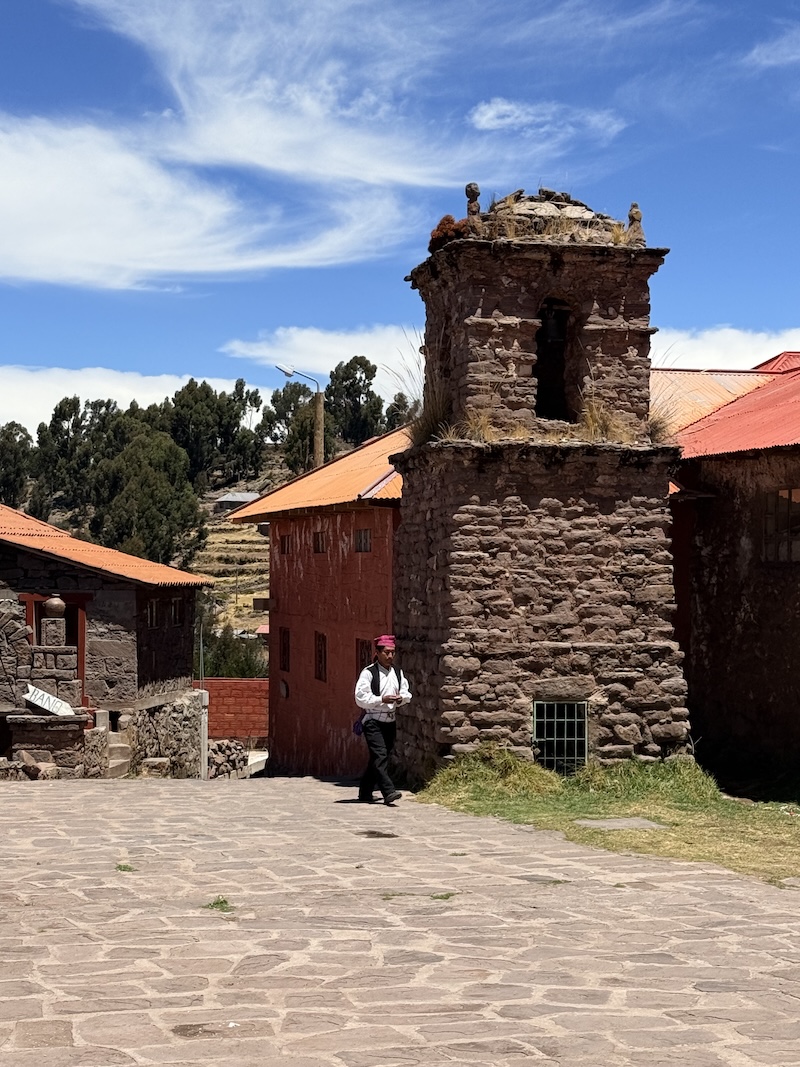
Walking through Taquile is like stepping back in time. Stone pathways lead to mesmerizing viewpoints. These paths offer stunning panoramas of the azure lake and surrounding peaks.
A visit to Taquile is incomplete without engaging with its warm inhabitants. Islanders welcome you into their world with open arms. They are eager to share stories and insights into their daily lives.
Key Attractions on Taquile Island:
- Traditional Textiles: UNESCO-recognized weaving artistry.
- Panoramic Views: Spectacular vistas from high altitude trails.
- Cultural Interaction: Warm encounters with local weavers and families.
Taquile’s peaceful atmosphere provides a perfect retreat for adventure photographers. The play of light on the landscape offers endless creative opportunities. Every corner of the island holds a frame worthy of capture.
Cultural anthropologists find Taquile’s preserved traditions a rich field of study. Insights into ancient Andean customs enrich their research. Understanding these practices provides context for the island's enduring culture.
Amantani Island: Homestays and Authentic Encounters
Amantani Island, a serene spot on Lake Titicaca, invites deeper cultural immersion. Known for its warm hospitality, this island offers a chance to connect with local life through homestays.
Visitors to Amantani often stay with local families. These homestays are more than just accommodations; they're windows into the island's daily rhythm. Guests share meals cooked with ingredients grown on Amantani's terraced fields.
The island is a peaceful escape where tranquility reigns. Its lack of modern amenities enhances the charm and authenticity of the experience. Visitors can enjoy the simplicity and serenity that characterize life on Amantani.
Engaging in community activities deepens the connection. Participating in farming or local crafts offers insight into age-old traditions that continue to thrive. These interactions foster mutual respect and understanding between visitors and hosts.
Must-Experience Aspects of Amantani Island:
- Traditional Homestays: Live with and learn from local families.
- Cultural Activities: Engage in farming or artisanal crafts.
- Natural Beauty: Enjoy panoramic views from the island’s peaks.
Amantani is also a favorite of those seeking beautiful views. The island offers dramatic landscapes, with paths leading to the peaks of Pachatata and Pachamama. These sacred sites provide breathtaking vistas of Lake Titicaca at sunset.
For cultural anthropologists, Amantani provides a rich context for studying community dynamics. Its preserved customs and close-knit society offer a unique perspective on Andean culture. The interactions here allow for genuine insights into traditional lifestyles.
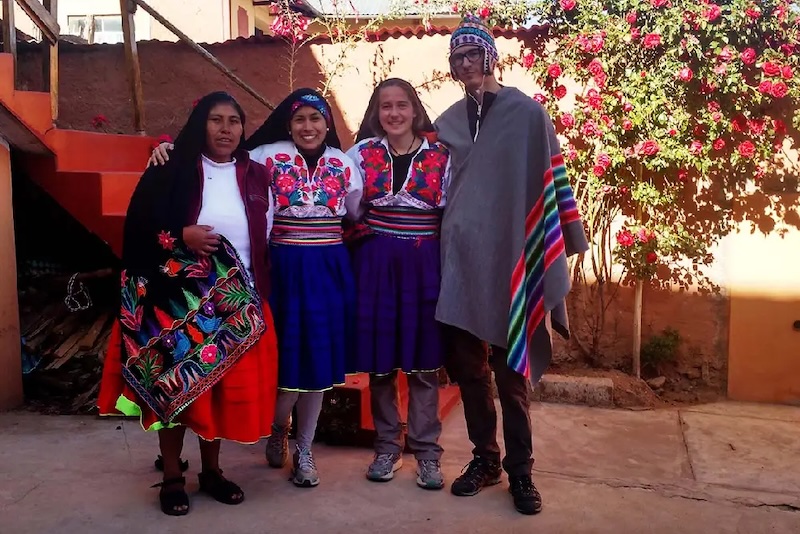
Capachica Peninsula and Lesser-Known Communities
The Capachica Peninsula is a hidden gem on Lake Titicaca. It's an off-the-beaten-path destination that promises solitude and natural beauty. Unlike the more frequented islands, Capachica is less discovered, offering a tranquil retreat.
This peninsula is home to small communities that preserve traditional Andean lifestyles. Visitors find that the locals welcome them warmly, eager to share their cultural heritage. These communities provide a glimpse into the rhythms of rural life around Lake Titicaca.
Exploring Capachica allows for unique cultural exchanges. Engaging with locals, visitors can learn about traditional weaving and farming techniques. The peninsula's landscapes are a draw, with rolling hills providing stunning lake views.
Highlights of the Capachica Peninsula:
- Cultural Immersion: Interact with friendly locals and learn about their traditions.
- Stunning Landscapes: Explore scenic paths and overlook Lake Titicaca.
- Local Crafts: Discover traditional weaving practices unique to the region.
Capachica is not just for those seeking cultural experiences. It's also an ideal spot for adventure photographers wanting unique subjects. The interplay of light over its landscapes offers endless photographic possibilities.
For the cultural anthropologist, Capachica's lesser-known communities are ideal for fieldwork. The area's preserved traditions and unspoiled environment provide fertile ground for research. Observing daily practices here offers insights into the Andean way of life.
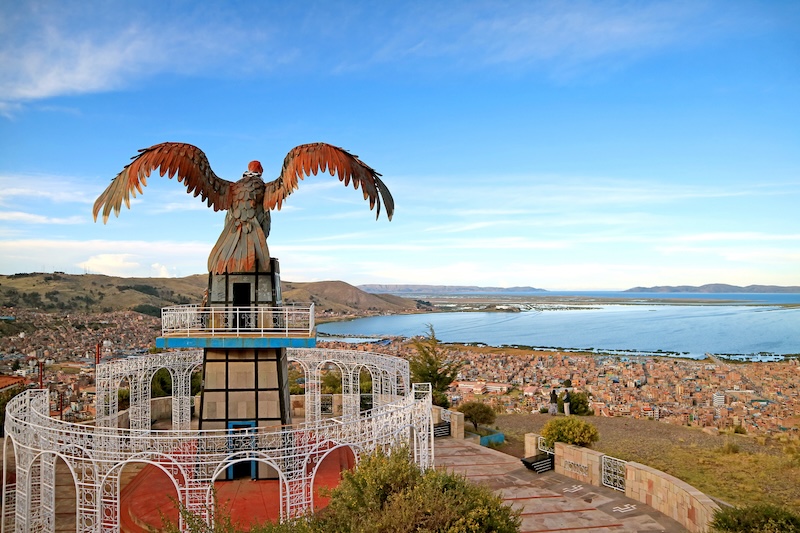
Puno: Gateway to Lake Titicaca
Puno is the vibrant gateway to Lake Titicaca. This lively city offers a perfect blend of culture and convenience. As the region's hub, Puno is a base for exploring the lake's wonders.
The city itself is brimming with activity. Visitors encounter bustling markets, rich cuisine, and colorful festivals. Each of these elements reveals the region’s cultural diversity and lively spirit.
Puno offers more than a starting point for lake tours. Its streets are infused with history and charm. The famed Puno Cathedral and its quaint plazas invite leisurely exploration. Nighttime brings a different allure with vibrant music and dance performances.
Noteworthy Aspects of Puno:
- Cultural Festivals: Experience lively events like the Fiesta de la Candelaria.
- Local Cuisine: Savor dishes featuring quinoa and lake trout.
- Rich Heritage: Visit historical landmarks, such as the Puno Cathedral.
For those interested in the region’s cultural fabric, Puno is a treasure trove. It's ideal for anthropologists wanting to understand local customs and traditions. With its strategic location, Puno ensures easy access to Lake Titicaca's islands and surrounding areas.
Festivals, Rituals, and Living Heritage
Lake Titicaca's surrounding communities hold festivals that celebrate ancestral traditions. These events are not just spectacles but profound expressions of cultural identity. The vibrant costumes, ancient dances, and haunting music connect present-day participants to their rich heritage.
Among the most significant celebrations is the Fiesta de la Candelaria. This event in Puno gathers thousands of participants adorned in elaborate attire. The festival blends Catholic and indigenous beliefs, showcasing the region's spiritual diversity and unity.
Rituals at Lake Titicaca often honor the ancient spirits believed to inhabit the area. These ceremonies express gratitude and seek protection for the future. Visitors can witness authentic practices such as offerings to Pachamama, or Mother Earth.
Celebrated Cultural Expressions:
- Fiesta de la Candelaria: An extravagant festival mixing dance, music, and spirituality.
- Offerings to Pachamama: Rituals expressing reverence for nature and ancestors.
- Traditional Music and Dance: Age-old performances handed down through generations.
These festivals and rituals provide a unique opportunity for cultural immersion. They offer insight into the spiritual worldviews that have shaped these communities for centuries. For cultural anthropologists, such events are invaluable for understanding the continuity of living traditions.

Lake Titicaca Tours: How to Explore Responsibly
Exploring Lake Titicaca offers unforgettable encounters, but it demands responsible approaches. Guided tours are a popular way to experience the lake's wonders. Choosing environmentally-conscious tours ensures that your visit supports sustainable practices, preserving this unique ecosystem.
Seek out tours that prioritize small group sizes. This minimizes the environmental and cultural impact on the communities and delicate landscapes. Guides can provide profound insights, helping you appreciate the lake's natural and cultural significance.
Your interactions with local people matter. Choose tours that involve respectful engagement and support the local economy. Homestays or visits to artisans allow for meaningful connections while respecting cultural norms.
Tips for Responsible Tour Selection:
- Opt for Small Group Tours: They reduce impact and enhance the experience.
- Support Local Communities: Engage in tours with community involvement.
- Choose Environmentally-Friendly Options: Ensure tours have sustainable practices.
As you embark on your Lake Titicaca adventure, be mindful of leaving a positive footprint. Understand the importance of respecting ancient traditions and ecological balance. Such considerations ensure that future generations can enjoy this magnificent area.
Remember, travel is a privilege and a responsibility. By making thoughtful choices, you contribute to the lake's preservation. Experience the magic of Lake Titicaca with a conscious and respectful heart.
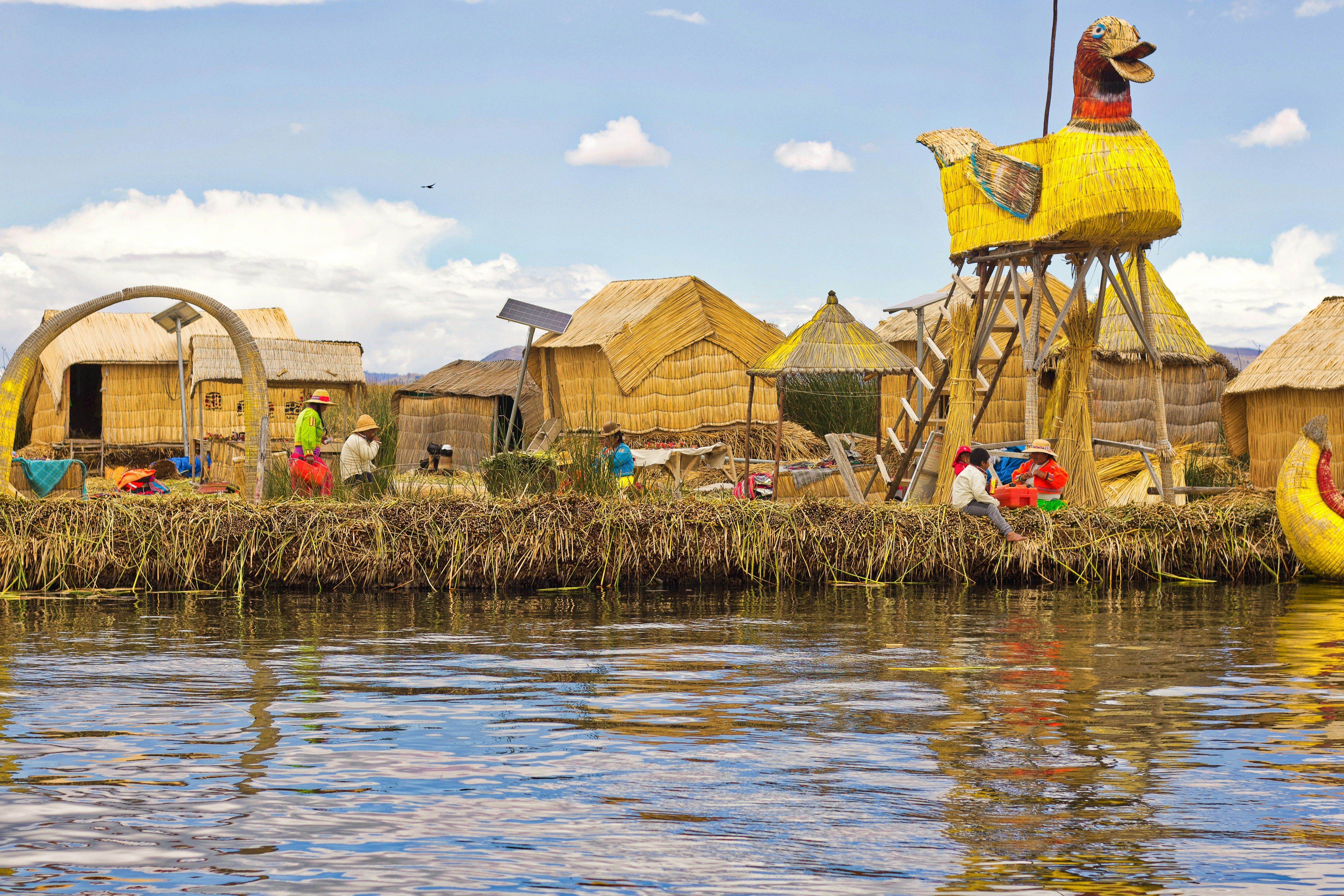
Adventure Photography at Lake Titicaca
Lake Titicaca offers endless possibilities for adventure photographers. The vibrant landscapes and cultures are a photographer's dream. Sunrises paint the sky with brilliant hues, while sunsets cast golden reflections on the lake.
Capture the vivid blues and greens of the lake's waters. The contrasting colors against the surrounding Andean mountains present stunning vistas. Patience is key to capturing the perfect light and mood.
The lake's islands provide diverse opportunities for unique compositions. Document the daily life of the Uros people on their floating islands. Their homes and boats create compelling subjects for storytelling through images.
Lake Titicaca's wildlife adds another dimension to photography. Endemic species, like the Titicaca water frog, offer fascinating subjects. Birds provide opportunities to capture dynamic scenes.
Photography Tips for Lake Titicaca:
- Early Mornings and Late Afternoons: Capture the best light.
- Engage with Locals: Gain insights and unique perspectives.
- Explore Different Angles: Use varied viewpoints for dynamic shots.
Ensure your photography respects privacy and cultural sensitivities. Build rapport with local communities to access deeper stories. Authentic interactions enrich your photography with context and emotion.
Adventure photographers should also consider sustainability. Minimize your environmental impact while exploring these pristine locales. By doing so, you'll help preserve Lake Titicaca's beauty for future creative pursuits.
Insights for Cultural Anthropologists
Lake Titicaca in Peru is a rich tapestry of cultures waiting to be studied. Each island and community has its own story, woven through generations. This living laboratory is ideal for cultural anthropologists seeking genuine insights.
Communities around the lake have preserved ancient traditions. The vibrant music, dance, and oral histories reflect an unbroken link to the past. Engaging with these traditions offers a deep understanding of the region's cultural resilience.
Interactions with local groups such as the Uros and Quechua-speaking peoples offer unique perspectives. By joining festivals and observing rituals, anthropologists can document cultural practices that have endured for centuries. These experiences are invaluable for both research and publication.
For in-depth study, consider focusing on the following:
- Traditional Festivities: Understand their significance and role in community life.
- Language Preservation: Explore the challenges and efforts in maintaining indigenous languages.
- Textile Artistry: Document the skilled craftsmanship and symbolism in traditional weaving.
The social structures and communal ties around Lake Titicaca provide a glimpse into a way of life that contrasts sharply with modern society. By immersing yourself in these cultures, you contribute to the appreciation and preservation of their unique heritage.
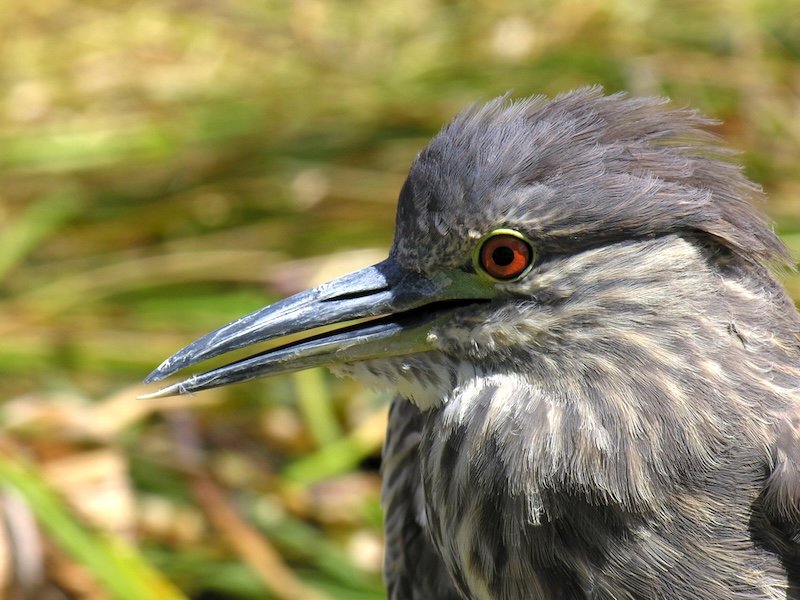
Biodiversity and Conservation at Lake Titicaca
Lake Titicaca is a hotspot of biodiversity, teeming with unique life forms. Its ecosystem supports rare species, some found nowhere else on Earth. The lake's isolation has allowed these species to thrive in harmony with their environment.
Key among them is the Titicaca water frog, an endemic species. This large, aquatic frog plays a crucial role in the lake's food web. However, pollution and introduced species threaten its existence.
Conservation efforts are vital to protect Lake Titicaca's fragile ecosystems. Various organizations work with locals to preserve both the lake's natural and cultural heritage. They focus on sustainable practices that benefit communities while safeguarding biodiversity.
To understand this delicate balance, consider exploring these points:
- Endemic Species: Study the unique flora and fauna of the lake.
- Conservation Programs: Learn about efforts to combat pollution and invasive species.
- Community Involvement: Examine the role of local communities in conservation activities.
Initiatives are continually evolving to address environmental threats while involving local communities. This collaborative approach ensures the protection of the lake's natural wonders for future generations.
Practical Travel Tips for Lake Titicaca
Traveling to Lake Titicaca requires careful planning due to its remote location and high altitude. Proper preparation helps ensure a memorable and enjoyable experience. Start by acclimatizing in Puno before venturing to the lake's islands.
Pack wisely for the journey. Temperatures fluctuate greatly between day and night, so layers are essential. Bring sun protection and hydration gear to combat the intense high-altitude sun.
Understanding local etiquette enhances your interactions with the communities. Simple gestures, like learning a few phrases in Quechua or Aymara, can forge connections. Respect local customs, particularly in rural villages.
To get the most out of your visit, consider these tips:
- Acclimatize Properly: Spend time in Puno to adjust to the altitude.
- Dress in Layers: Prepare for temperature shifts with warm and breathable clothing.
- Stay Hydrated: Drink plenty of water to mitigate the effects of the altitude.
- Respect Traditions: Be mindful of local customs and ask before taking photos of people.
Careful planning enriches your journey, allowing for deeper engagement with Lake Titicaca's culture and breathtaking landscape.
Sustainable Tourism and Community Initiatives
Lake Titicaca's fragile ecosystem requires dedicated efforts in sustainable tourism. Travelers should prioritize responsible interactions to help preserve this unique environment. Community-led initiatives play a critical role in protecting local culture and nature.
Several local communities have adopted eco-friendly practices to mitigate tourism impacts. These efforts focus on reducing waste and promoting cultural awareness. By participating in these initiatives, visitors contribute to the region's sustainability.
When visiting, choose tours and accommodations committed to sustainability. Engage with local guides who emphasize eco-friendly experiences. This approach supports both conservation and local economies.
Here are some practical steps to ensure responsible travel:
- Select Eco-friendly Tours: Opt for operators that prioritize minimal environmental impact.
- Support Local Economies: Purchase crafts and foods directly from community artisans.
- Minimize Waste: Carry a reusable water bottle and avoid single-use plastics.
- Learn and Educate: Attend workshops on local traditions and conservation efforts.
Sustainability is key to ensuring Lake Titicaca remains a vibrant and thriving destination for generations to come.
Frequently Asked Questions about Lake Titicaca
Visitors often have questions about Lake Titicaca before their journey. Understanding the basics helps in planning a smooth and enjoyable trip. Here are answers to some common inquiries.
The lake is located at a high altitude of 3,812 meters. It straddles the border between Peru and Bolivia. Given the elevation, acclimatization is essential to prevent altitude sickness.
Key tips for a successful visit include:
- Best Time to Visit: Ideal months are May through October, during the dry season.
- Cultural Etiquette: Respect local customs; always ask permission before photographing people.
- Health Precautions: Stay hydrated and rest to acclimatize to the altitude.
For a memorable experience, engage with local communities and explore lesser-known sites. Being well-informed ensures you appreciate the lake's cultural and natural riches.
Conclusion: The Enduring Magic of Peru’s Lake Titicaca
Lake Titicaca holds a unique place in the hearts of its visitors. Its blend of natural beauty, cultural wealth, and historic significance creates an unmatched allure. This mystical lake transcends mere sightseeing, offering profound experiences.
Adventure photographers capture its breathtaking landscapes, while cultural anthropologists delve into its rich traditions. Every visitor leaves with a deeper understanding of Peru's diverse heritage. The communities around the lake welcome visitors with warmth and generosity.
As you explore Lake Titicaca, remember the importance of respecting its delicate environment. Sustainable tourism ensures that future generations can enjoy its splendor. The magic of Peru’s Lake Titicaca endures, inviting all to discover its wonders.
disable
[simple-author-box]