Lake Titicaca is a place of wonder and cultural depth. It is nestled between Peru and Bolivia. Lake Titicaca is the largest lake in South America. This sacred body of water holds immense significance for the indigenous Aymara and Quechua people.
Travelers are drawn to its serene beauty and rich traditions. Yet, visiting Lake Titicaca requires more than just a sense of adventure. It demands respect and understanding of the local culture.
Ethical tourism is key to preserving the heritage of Lake Titicaca's communities. This guide aims to equip travel agency owners with the tools to create meaningful itineraries. By focusing on cultural immersion and responsible practices, agencies can offer unique experiences.
Participating in local ceremonies is a highlight for many visitors. However, it is crucial to approach these events with sensitivity. Dressing modestly and seeking permission before taking photos are essential steps.
Lake Titicaca offers a variety of activities, from exploring the Uros Floating Islands to visiting Taquile Island. Each experience provides a glimpse into the vibrant life around the lake. Photography is a powerful way to capture these moments. However, it must be done respectfully.
Supporting local artisans is another important aspect of ethical travel. Paying fair prices and understanding payment norms help sustain the community. Thoughtful gifting can also enhance cultural exchange, provided it is done with care.
Learning a few Aymara or Quechua phrases can enrich interactions with locals. A well-planned itinerary balances cultural experiences with leisure, ensuring a fulfilling journey. By supporting local businesses and artisans, travelers contribute to the community's economic well-being.
This guide will explore these elements in detail. It will be offering insights into creating ethical travel experiences. Through responsible tourism, we can honor and preserve the cultural heritage of Lake Titicaca.
Understanding Lake Titicaca: Culture, Nature, and Significance
Lake Titicaca is more than just a geographic marvel. It's a cultural treasure that holds deep spiritual significance. It is positioned at a breathtaking altitude of 12,500 feet. Lake Titicaca is often considered the birthplace of the Inca civilization.
The lake's cultural footprint spans millennia. The indigenous Aymara and Quechua people regard it with reverence. Stories and myths about its origin permeate local traditions. It adds layers of depth to its sacred status.
Environmental factors also shape the identity of Lake Titicaca. Surrounded by the rugged Andes, the lake boasts unique biodiversity. Its waters are home to an array of endemic species. Most of them are found nowhere else on earth.
Visitors have the chance to experience this natural splendor firsthand. Activities like birdwatching, hiking, and boat tours reveal the area’s ecological wonders. The interplay between nature and culture enriches the travel experience.
As a key cultural and natural heritage site, Lake Titicaca exemplifies the symbiosis between people and their environment. Preserving this delicate balance is crucial. Over-tourism could threaten both the lake's ecology and the cultural heritage of its inhabitants.
To understand Lake Titicaca, one must consider its diverse elements:
- Cultural Importance: Central to Aymara and Quechua traditions.
- Natural Beauty: Unique species and dramatic landscapes.
- Historical Significance: Connection to ancient civilizations.
For ethical travelers, respecting this triad is vital. A mindful approach ensures that both natural and cultural treasures endure. Engaging with local communities fosters mutual respect and understanding. It deepens the travel experience.
By appreciating its multifaceted character, Lake Titicaca offers more than just vistas. It invites travelers into a world where history, culture, and nature converge in harmony. This understanding is essential for creating genuine and respectful travel experiences.
Responsible Itinerary Planning: Building Ethical Lake Titicaca Experiences
Planning an ethical travel itinerary for Lake Titicaca involves more than choosing exciting destinations. It's about crafting a journey that respects local customs. It promotes cultural exchange, and supports the community.
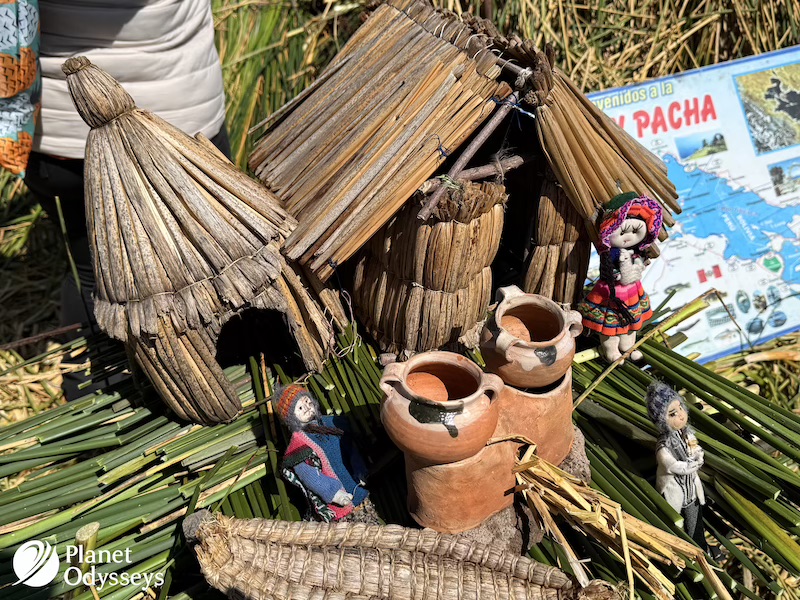
Start by considering the cultural significance of each site. Lake Titicaca is rich with historical and spiritual locations. This includes the Uros Floating Islands. Understanding their cultural context enriches the visit and elevates the experience.
Collaborate with local guides to enhance your itineraries. Local experts provide invaluable insights and ensure cultural respect is maintained. They can offer unique perspectives that enrich travelers' understanding of the area's traditions and heritage.
Incorporate activities that offer genuine engagement with local culture. Encourage travelers to participate in weaving workshops or traditional cooking classes. These experiences foster personal connections and economic support for host communities.
When choosing accommodations, prioritize eco-friendly and locally operated options. This ensures that financial benefits flow directly into the community. It also helps reduce the environmental footprint of travel activities.
Include time for spontaneous interactions and relaxation. Unplanned moments can often lead to the most meaningful cultural exchanges. Encourage travelers to embrace slow travel. This allows them to appreciate the rhythm and life of the local community.
Ensure your itinerary supports ethical purchasing practices by guiding travelers to marketplaces that showcase authentic artisan goods. Educate them on fair pricing and the cultural importance of these crafts.
A well-rounded itinerary should balance structured activities with leisure opportunities. Consider the varying interests of travelers, from history and culture to nature and adventure. A personalized approach can satisfy diverse tastes while maintaining a focus on ethical practices.
Develop itineraries that respect local festivals and ceremonies. Avoid scheduling tours that interrupt sacred events. Instead, guide travelers on how they can respectfully observe these traditions.
Key considerations for responsible itineraries:
- Collaborate with local guides.
- Promote community-based accommodations.
- Include culturally immersive workshops.
- Educate travelers on ethical purchasing.
- Respect local customs and ceremonies.
- Encourage slow travel and spontaneous interactions.
Responsible itinerary planning not only creates enriching travel experiences. It also ensures that tourism's benefits are shared equitably. This holistic approach fosters sustainable relationships. It also preserves the cultural and ecological legacy of Lake Titicaca for generations to come. By focusing on these elements, Planet Odysseys offers unique and engaging packages. Our tours stand out in the competitive market.
Lake Titicaca Activities: Immersive and Respectful Engagements
Exploring Lake Titicaca offers travelers a chance to engage in activities that not only entertain but also enlighten. The region is a cultural and natural gem. It is ripe with opportunities for immersive experiences.
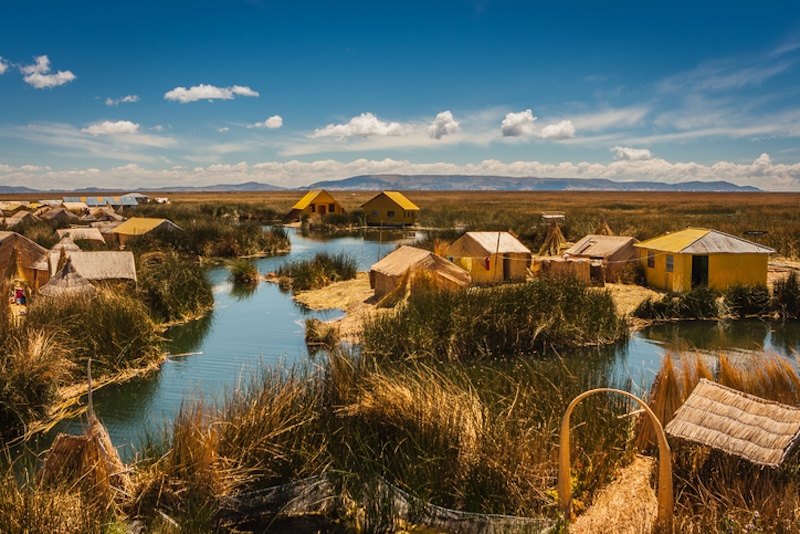
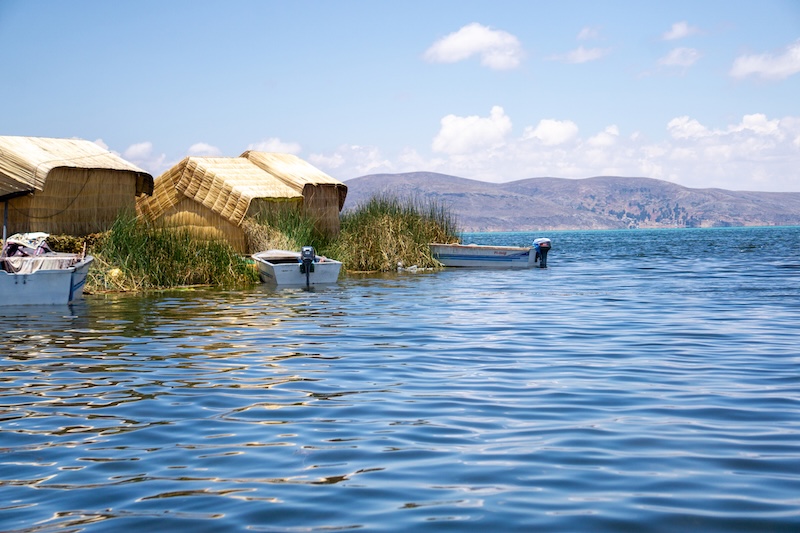
A visit to the Uros Floating Islands offers insight into the innovative lifestyle of the Uros people. Travelers can walk on the reed islands and learn about the sustainable way of life that has flourished for centuries.
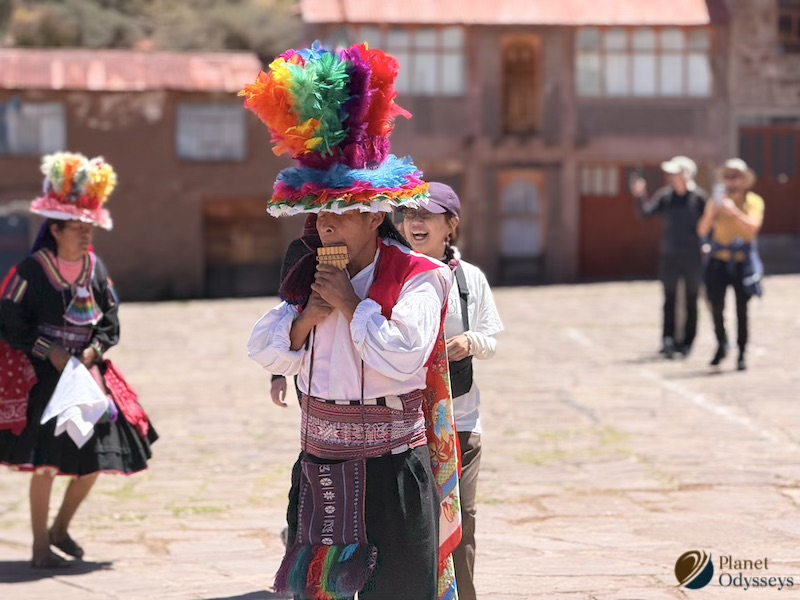
Next, Taquile Island beckons with its vibrant textile arts. Travelers should take time to observe traditional weaving techniques that have been recognized by UNESCO. This craft provides a living history of the community’s identity and talent.
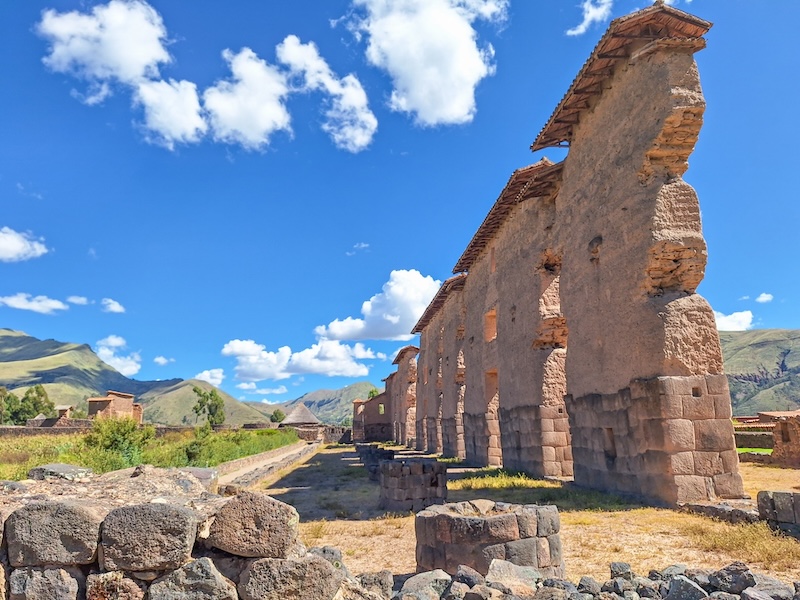
Sillustani, an archaeological site with ancient chullpas or burial towers, is a must-visit. This site offers a glimpse into pre-Inca civilizations and their funerary practices. Understanding the significance of these towers deepens appreciation for the region's heritage.
Participating in a community-hosted dinner can transform one's perspective. Share a meal with local families. Experience the warmth and hospitality that define Aymara and Quechua cultures. These interactions often lead to friendships that transcend borders.
Lake Titicaca is also home to unique flora and fauna. A guided ecological tour can reveal rare species and natural beauty. It also emphasizes the importance of conservation efforts in the area.
Local festivals provide vibrant displays of music, dance, and celebration. Travelers should consult guides or community leaders for tips on attending these events respectfully. Engaging in such activities enhances cultural understanding and enjoyment.
Ethical tours often include learning and participation opportunities in agricultural practices. Travelers can help with traditional farming methods. It will help in gaining insight into the crucial role of agriculture in local livelihoods.
Activities to consider:
- Visit the Uros Floating Islands.
- Explore Taquile Island's weaving traditions.
- Marvel at Sillustani's burial towers.
- Share a meal with local families.
- Join guided ecological tours.
- Attend local festivals.
- Participate in traditional agriculture.
Each activity should be approached with respect and curiosity. By engaging thoughtfully, travelers can connect deeply with Lake Titicaca's culture and beauty. Such respectful interactions enrich both the visitor's experience and the host community’s cultural vitality. Travel agencies have a pivotal role in promoting these values.
Tips for Respectful Ceremony Participation
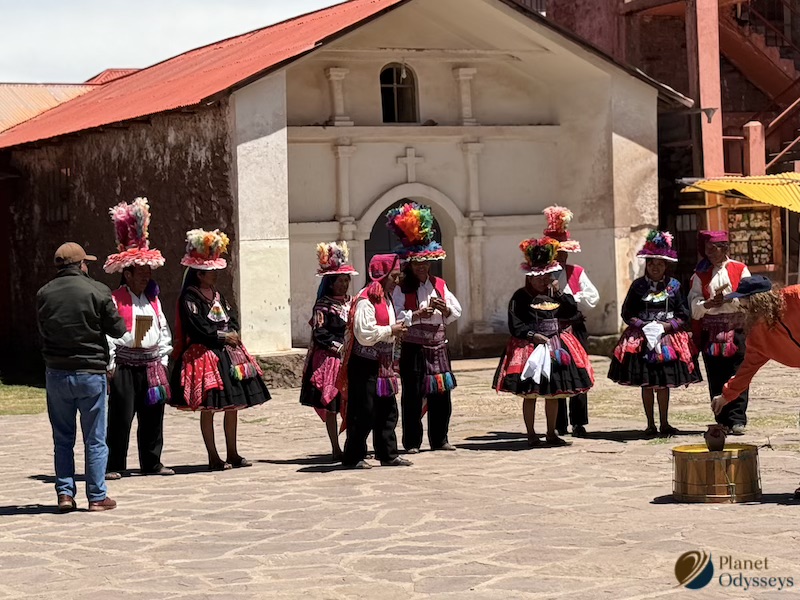
Participating in local ceremonies at Lake Titicaca can be a profound experience. Such events offer a unique glimpse into Aymara and Quechua spiritual life. It will be highlighting their deep connections to the land and traditions.
Respect is paramount when attending ceremonies. Ensure you understand the cultural significance of the event and the role visitors are expected to play. This awareness helps in avoiding unintentional disrespect or disruption.
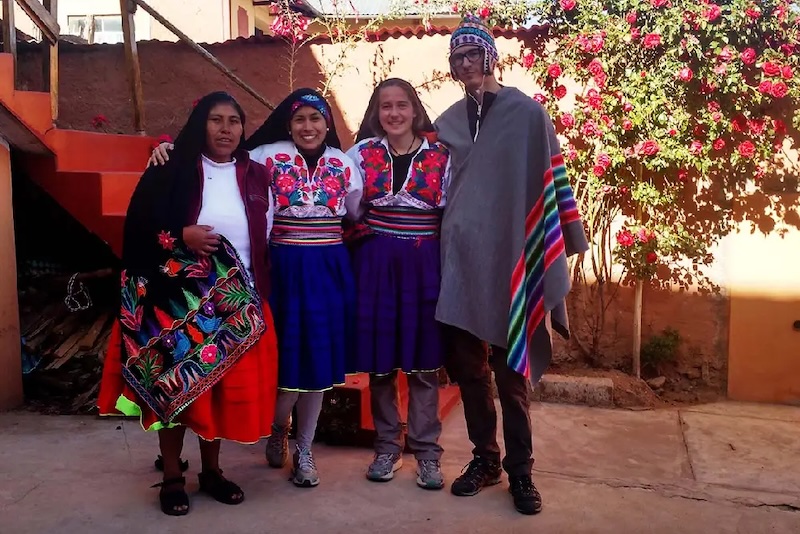
Dress modestly in line with local customs. Traditional attire often reflects spiritual significance. They show up in appropriate clothing demonstrates respect and humility. If unsure about the dress code, seek advice from locals or guides.
Before capturing the moment, remember that not all ceremonies welcome photography. Always ask permission, and err on the side of caution. Some rituals are sacred. Capturing them on camera might be inappropriate or offensive.
Silence your devices before ceremonies begin. Loud noises or interruptions can distract from the solemnity and flow of the event. Being mindful of these details shows genuine respect and attentiveness.
Participation may be invited, but ensure you're aware of the appropriate responses and actions. Engaging politely when prompted enhances the authenticity of your experience. However, don't force involvement if unsure of the customs.
Gifting during ceremonies should be thoughtful and fitting with tradition. Small, meaningful tokens that respect cultural practices are appreciated, rather than more elaborate or lavish presents.
Guidelines for respectful participation:
- Understand the ceremony’s cultural significance.
- Dress modestly and appropriately.
- Always ask before taking photographs.
- Silence devices to prevent disruptions.
- Participate only when invited or guided.
- Offer respectful gifts if tradition allows.
Committing to these tips enhances cultural exchange. They ensure a memorable and responsible experience for both visitors and hosts. Maintaining these respectful interactions serves to honor the traditions that define the Lake Titicaca communities. It also fosters a deeper appreciation of their spiritual world.
Photography Dos and Don’ts: Capturing Memories with Respect
Lake Titicaca's stunning landscapes and vibrant cultures offer endless photo opportunities. However, respectful photography is crucial in preserving cultural integrity and maintaining good relations with locals.
Always ask for permission before taking photos of individuals. This shows respect and consideration for personal privacy and cultural beliefs. Some locals might find unsolicited photography intrusive.
Avoid photographing religious or sacred sites without explicit permission. Many such locations have spiritual significance and require a deep respect for their sanctity. It's best to follow local guidance and designated signage.
Respect is not just about asking for consent. It’s about understanding the context and importance of the moment. Avoid interrupting ceremonies or intruding into private spaces. Even if the scene is compelling.
Photography etiquette extends to how the captured images are used or shared. Attribute the cultural roots when sharing online, focusing on promoting understanding and respect. This ensures the depiction remains accurate and respectful.
Do not engage in sensationalism when capturing images. Simplistic or stereotypical representations can damage cultural perceptions. Instead, focus on portraying depth and authenticity to foster appreciation.
Key Photography Dos and Don’ts:
- Always seek permission when photographing people.
- Respect local customs and avoid intrusive shots.
- Do not photograph sacred sites without consent.
- Use images to promote cultural understanding.
- Avoid sensationalistic or stereotypical portrayals.
- Share images responsibly, acknowledging cultural sources.
By following these photography guidelines, travelers can capture their journeys without compromising the cultural and personal space of Lake Titicaca’s communities. This approach enriches travelers' experiences, fostering connections that are authentic and respectful.
Recommended Budgets and Payment Norms for Artisans
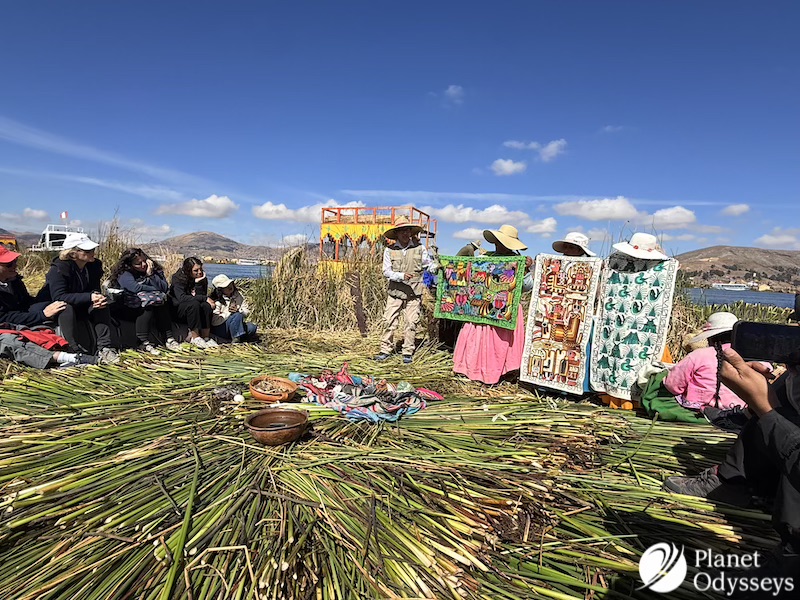
When traveling to Lake Titicaca, supporting local artisans is a meaningful way to engage with the culture. Fair trade practices are essential to ensure economic benefits reach the artisans directly, promoting sustainable livelihoods.
It's important to allocate a realistic budget for handmade goods. Understand that these products often reflect countless hours of skilled labor and traditional methods. This appreciation is key to a respectful purchase.
Before buying, research current pricing norms for various crafts, such as textiles and pottery. This helps in setting a fair budget. It's a good practice to avoid excessively bargaining. This can undervalue the artisan's time and skill.
Payments should reflect the quality of the work and the artisan's expertise. Showing respect by offering the fair initial price indicates your understanding of their craft's value. It's a simple way of honoring their cultural heritage.
Building relationships with artisans extends beyond buying. Learn about the stories behind their crafts. This enriches your experience and enhances your cultural understanding, offering a more holistic connection with the community.
Key Recommendations for Interacting with Artisans:
- Allocate a fair budget recognizing craft value.
- Avoid excessive bargaining to honor artisan efforts.
- Pay fairly and respect the craftsmanship.
- Engage with artisans to learn their stories.
- Support fair trade to ensure benefits remain local.
By adhering to these recommended practices, travel agency owners can create itineraries that not only benefit their clients but also empower local communities, fostering a cycle of mutual respect and economic sustainability.
Gifting Principles: Thoughtful and Culturally Sensitive Giving
When visiting Lake Titicaca, giving gifts can be a meaningful gesture of goodwill. However, choosing gifts thoughtfully is crucial. Cultural sensitivity plays a pivotal role in how your gesture is perceived.
Understanding local customs helps in selecting appropriate gifts. Engaging with community members provides insight into what is considered polite or offensive. This step prevents unintentional disrespect and enhances mutual appreciation.
Simple, functional items are often appreciated. Opt for gifts that align with local needs or complement their lifestyle. Avoid items that clash with cultural beliefs or introduce foreign materials that might be seen as intrusive.
When giving gifts, it’s important to do so discreetly. Avoid public displays that could embarrass the recipient or create undue attention. Respect their space and cultural boundaries in the process.
Personalized gifts carry greater meaning. Consider items that reflect shared experiences or mutual interests with the recipient. This thoughtful approach strengthens connections and ensures your gesture is remembered fondly.
Guidelines for Ethical Gift Giving:
- Research local customs to avoid offending.
- Choose simple, functional items that are practical.
- Give discreetly to respect privacy.
- Avoid gifts that conflict with cultural norms.
- Personalize gifts to enhance emotional value.
By adhering to these gifting principles, travel agencies can foster respectful exchanges. This enriches the experience for both visitors and hosts, ensuring a positive cultural interaction that supports ethical tourism at Lake Titicaca.
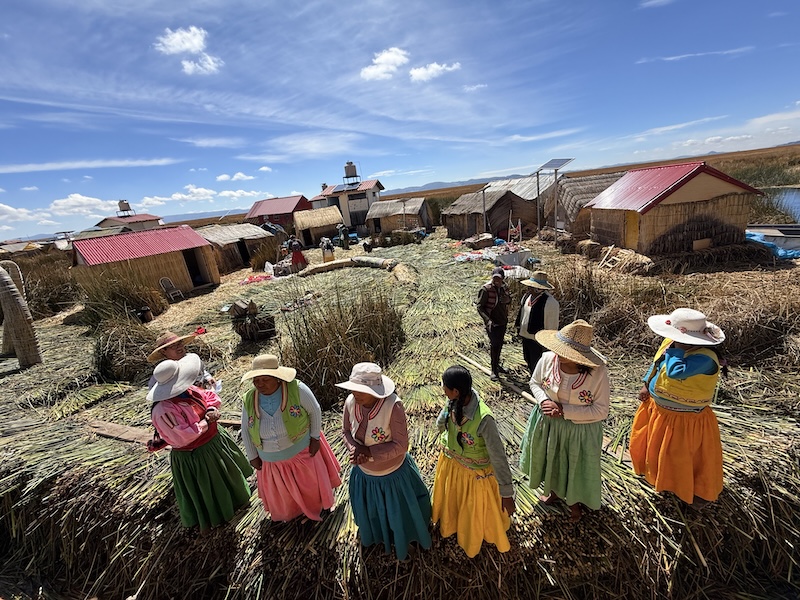
Sample Aymara and Quechua Phrases for Meaningful Connections
Learning a few phrases in Aymara and Quechua can greatly enhance your travel experience around Lake Titicaca. It signifies respect for the local culture and shows your willingness to engage meaningfully with community members.
These languages hold significant cultural heritage. They are not just means of communication but integral parts of the region's identity. Using them can open doors to deeper cultural understanding and connection.
Even a simple greeting can light up interactions. Locals often appreciate the effort, seeing it as a gesture of goodwill. It can lead to warmer welcomes and more enriching exchanges during your visit.
In addition to greetings, knowing expressions of gratitude is valuable. Saying "thank you" in the local language shows appreciation. It reinforces positive connections. These small efforts leave a lasting impression, enhancing cultural exchanges.
Below is a list of useful phrases. Practice them before your trip to Lake Titicaca. It will help you to connect more deeply with the locals.
Useful Phrases:
- Aymara:
- Hello: "Kamisaraki"
- Thank you: "Yuspagarara"
- Goodbye: "Jikisiñkama"
- Quechua:
- Hello: "Rimaykullayki"
- Thank you: "Sulpayki"
- Goodbye: "Tupananchiskama"
By using these phrases, you enrich your travel experience while showing respect for local traditions. This small step can lead to a more rewarding journey. It will be creating memories and friendships that endure.
Lake Titicaca Itinerary: Sample Routes for Ethical Travelers
Creating an itinerary that respects the cultural landscape of Lake Titicaca enriches the travel experience. Planning with mindfulness can foster great opportunities for learning and sharing. Here's how to embark on an ethical journey.
Start with a visit to the Uros Floating Islands. These islands are constructed from totora reeds by the Uros people. The delicate balance of nature and human ingenuity is a marvel to witness.
Ensure your visit respects the community's traditions. Choose community-led tours that support local guides. This ensures that tourism benefits the inhabitants directly.
Next, explore Taquile Island, known for its traditional weaving. This UNESCO-protected site offers cultural workshops. Local artisans teach weaving techniques passed down through generations.
Participating in these workshops supports local economies. Consider purchasing textiles as a way to contribute ethically. These textiles carry stories and craftsmanship of the Taquileños.
For a serene experience, head to Amantani Island. Spend a night with a local family. This homestay option offers genuine cultural immersion and supports community-based tourism.
Before leaving, take part in a local ceremony if possible. These ceremonies hold deep spiritual significance. Observe with respect and follow local customs.
Sample Route - Three-Day Itinerary:
- Day 1:
- Morning: Visit Uros Floating Islands
- Afternoon: Meet local artisans
- Evening: Stay on Amantani Island
- Day 2:
- Morning: Participate in a weaving workshop on Taquile Island
- Afternoon: Explore hiking trails
- Evening: Join a community dinner
Sample Route - Five-Day Itinerary:
- Day 3:
- Morning: Attend a local market in Puno
- Afternoon: Engage with storytellers
- Evening: Reflect and rest by the lakeshore
- Day 4:
- Morning: Visit Sillustani burial towers
- Afternoon: Free exploration time
- Evening: Experience traditional music
- Day 5:
- Morning: Embark on a guided nature walk
- Afternoon: Return to Puno
- Evening: Farewell dinner with newfound friends
Crafting such itineraries ensures a balanced mix of cultural engagement and relaxation. The focus remains on ethical tourism, reinforcing respect and appreciation. Lake Titicaca offers not just sights, but deep connections with its people and their heritage.
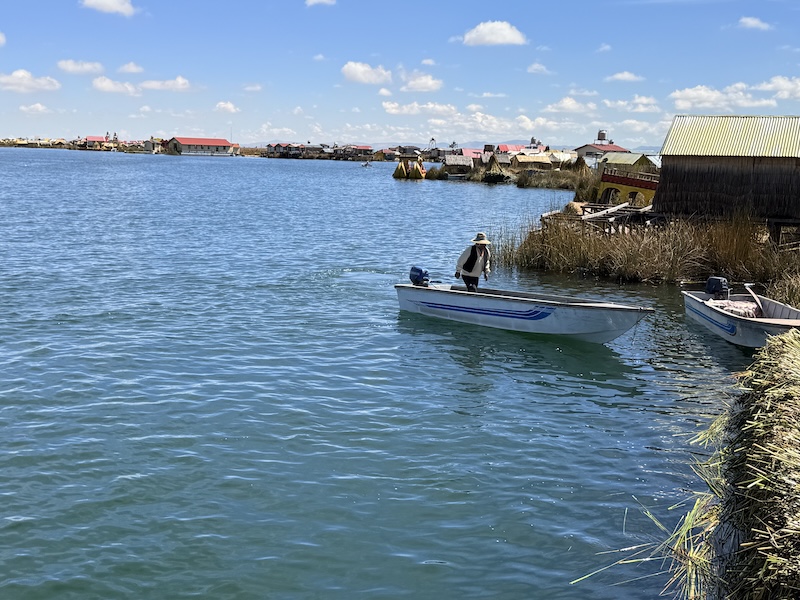
Supporting Local Communities: Best Practices for Travel Agencies
Supporting local communities is essential for sustainable tourism. Travel agencies play a vital role in this by promoting and implementing ethical practices. Here are some effective strategies to consider.
First, partner with local guides and businesses. Local expertise enriches the travel experience. It also ensures that economic benefits stay within the community.
Offer packages that feature community-led activities. These could include guided walks, workshops, or cultural ceremonies. Such experiences provide authentic insights and support community livelihoods.
Advocate for purchasing locally made products. Encourage clients to buy directly from artisans. This practice supports the local economy and showcases unique craftsmanship.
Best Practices List:
- Collaborate with local guides
- Offer community-centered tours
- Encourage direct artisan interactions
- Educate travelers on local customs
- Support sustainable accommodation
- Promote fair payment practices
Education is another key aspect. Inform travelers about local cultures and customs. Understanding fosters respect and genuine cultural exchange.
Selecting sustainable accommodation options is crucial. Choose lodgings that adhere to environmental conservation and support local communities. This can greatly reduce the ecological footprint of your tours.
Fair payment practices deserve attention. Ensure that local partners receive fair compensation. Encourage travelers to pay reasonable prices, especially in markets and artisan shops.
Encourage discussions about the impact of tourism. Transparency is vital for managing expectations and fostering mutual respect.
Lastly, promote year-round visitation. This helps spread economic benefits throughout the year. It also reduces pressure on the ecosystem during peak seasons.
By incorporating these best practices, travel agencies can make a positive impact. This ensures that Lake Titicaca remains a vibrant, sustainable destination. The preservation of its cultural heritage depends on responsible, supportive tourism.
Environmental Stewardship: Sustainable Tourism on Lake Titicaca
Lake Titicaca's unique ecology requires careful stewardship. Sustainable tourism practices help preserve its natural beauty and biodiversity. These practices also benefit local communities and future generations.
One of the first steps is minimizing waste. We encourage travelers to use reusable water bottles and tote bags. Reduce plastic consumption wherever possible.
Transport choices greatly impact the environment. We recommend eco-friendly options. These methods lower carbon footprints and enrich the visitor experience.
Water conservation is crucial in this region. Many local communities rely on the lake for water. Educate travelers on mindful water usage during their stays.
Sustainable Practices List:
- Minimize plastic use
- Choose eco-friendly transport
- Practice water conservation
- Support conservation projects
- Respect wildlife and habitats
Supporting local conservation initiatives is another effective strategy. Encourage involvement in projects that protect the lake and its surroundings. These efforts help to foster deeper connections between travelers and the environment.
Respect for wildlife is essential. Encourage travelers to observe animals from a distance. Disturbing habitats can have lasting negative effects on local species.
Educate visitors about the lake's role in sustaining local wildlife and communities. This knowledge promotes respect and the desire to protect.
Sustainable practices benefit all involved. They ensure that the natural and cultural resources of Lake Titicaca endure. Encouraging such practices is key to preserving the site for future travelers.
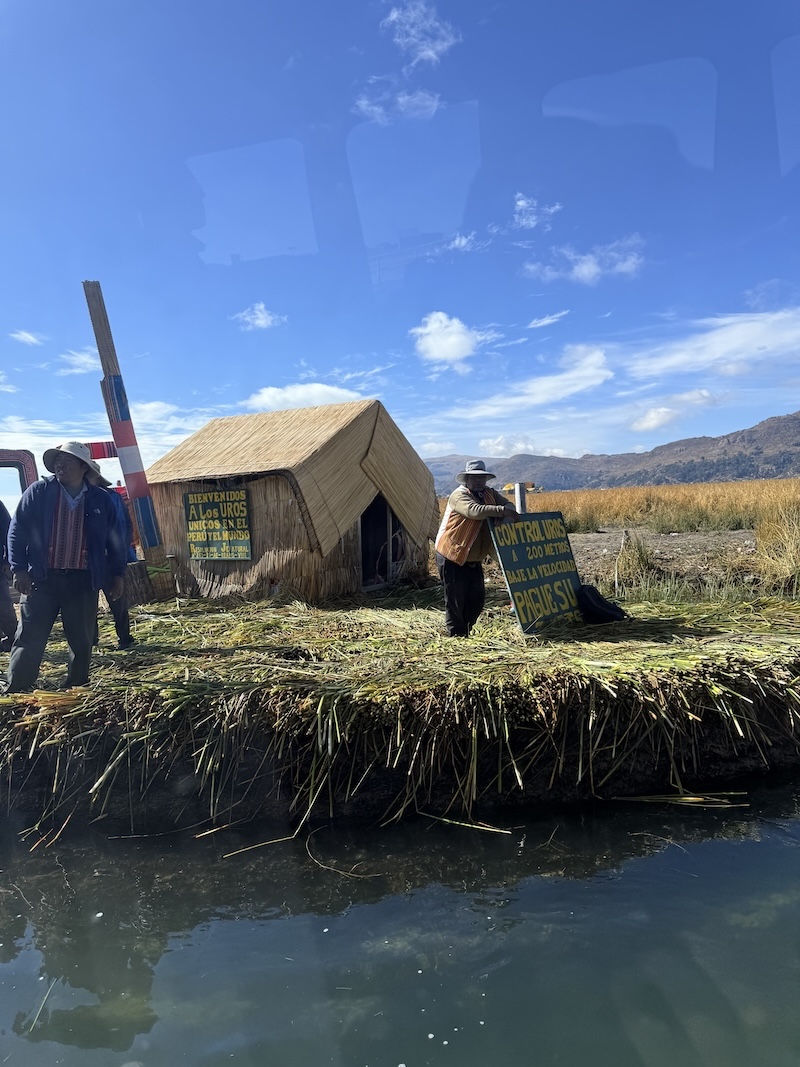
Navigating Challenges: Altitude, Health, and Cultural Sensitivity
Lake Titicaca's high altitude presents unique challenges. At 12,500 feet above sea level, altitude sickness is a genuine concern. Travelers should take measures to acclimate gradually and stay hydrated.
Health preparation is key to a comfortable visit. Consulting with a healthcare provider before traveling is advised. They can offer guidance on vaccinations and altitude sickness medication.
Understanding cultural norms is critical to avoiding unintentional offense. Each community around Lake Titicaca has its customs. Respectful travelers take the time to learn these traditions.
Checklist for Navigating Challenges:
- Acclimate to altitude slowly
- Consult with healthcare professionals
- Learn local customs and etiquette
- Remain hydrated and well-rested
- Respect cultural sensitivities
Remaining hydrated and well-rested can alleviate many altitude symptoms. Listen to your body and adjust activities as needed. Taking it slow may enhance the enjoyment of your travels.
Cultural sensitivity extends to interactions with local residents. Simple actions, such as greeting people in their native language, show respect. Consider learning basic Aymara or Quechua phrases to enrich experiences.
Respect local dietary customs by trying traditional foods. Participate in meals with reverence. This shows appreciation for the culture behind each dish. These actions help build bridges between travelers and locals.
Adapting to the high altitude, maintaining health, and respecting cultural sensitivities create a fulfilling travel experience. A mindful approach ensures safety and enriches cultural exchanges.
Resources and Further Reading for Ethical Lake Titicaca Travel
To deepen your understanding of Lake Titicaca and its cultural landscape, consider exploring various resources. Scholarly articles provide insights into the region's rich history and the impact of tourism.
Local guides offer invaluable first-hand perspectives. Engaging with community-based organizations can also enhance your travel planning. These groups often have resources specific to ethical and responsible tourism.
For more comprehensive knowledge, consider the following resources:
- Books on Andean culture and history
- Academic papers on sustainable tourism
- Websites of local NGOs
- Cultural documentaries featuring Lake Titicaca
- Online forums for travelers sharing ethical travel experiences
These materials not only equip you with important context but also inspire responsible travel practices. They emphasize the significance of respectful engagement and support of local cultures.
Investing time in pre-trip research fosters a more connected, informed experience and reinforces the tenets of ethical travel.

Conclusion: The Impact of Ethical Travel on Lake Titicaca
Ethical tourism transforms both travelers and host communities. Lake Titicaca stands as a testament to this profound impact. By embracing responsible travel, you help preserve its rich cultural heritage and natural beauty.
When tourists engage mindfully, local communities thrive. Economic benefits remain within the region, empowering artisans and small businesses. Cultural exchanges foster understanding and respect, vital for sustaining traditions.
Ultimately, ethical travel enriches our world. It highlights the shared responsibility of preserving unique destinations like Lake Titicaca. As travel agencies craft itineraries, they have the power to promote meaningful and sustainable experiences. This will ensure Lake Titicaca’s legacy endures for generations.
disable
[simple-author-box]