Nestled high in the Andes, Lake Titicaca is a place of wonder and mystery. It straddles the border between Peru and Bolivia. Lake Titicaca Tour offers a unique blend of cultures and landscapes.
This sacred lake is the highest navigable body of water in the world. Its shimmering blue waters and surrounding mountains create a breathtaking panorama.
For travelers seeking cultural immersion, Lake Titicaca is a treasure trove of experiences. The indigenous communities around the lake have preserved their traditions for centuries.
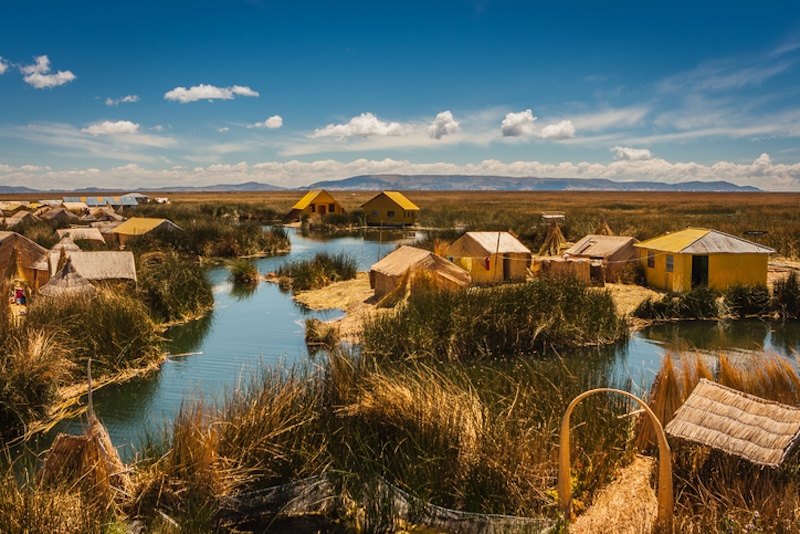
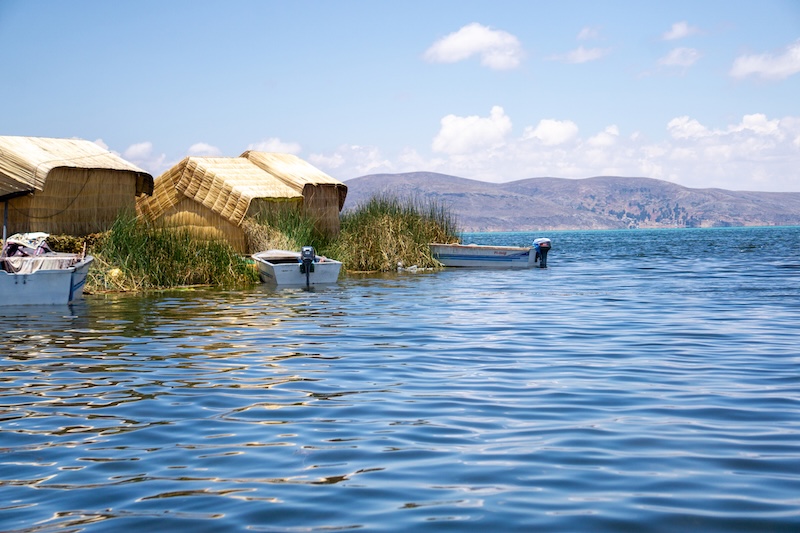
Visitors can explore the floating islands of the Uros people. It is crafted ingeniously from totora reeds. The islands of Taquile and Amantani are renowned for their vibrant textiles and weaving traditions.
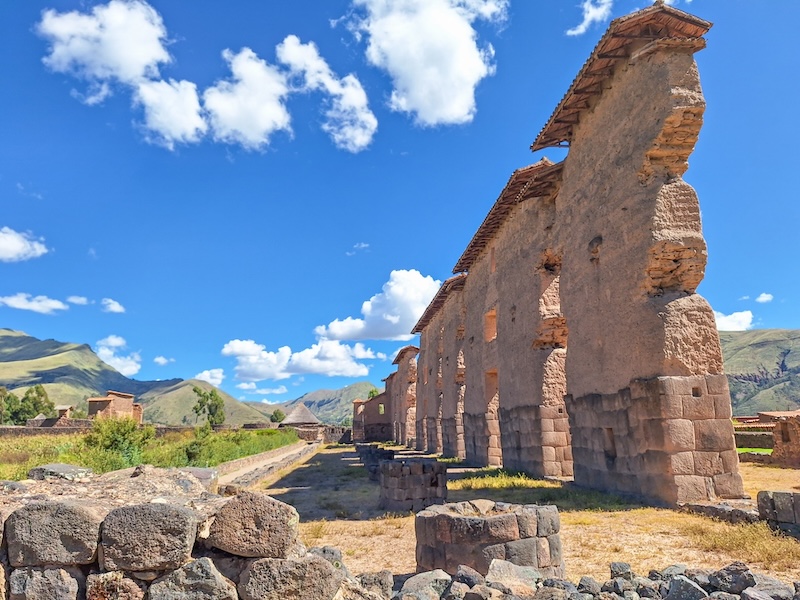
The lake's rich history is intertwined with Inca legends and ancient ruins. It is the birthplace of the sun and the first Inca king.
A tour of Lake Titicaca offers more than just stunning views. It provides a deep dive into the heart of Andean spirituality and tradition.
Whether you're a travel writer or an adventure seeker, Lake Titicaca promises unforgettable stories and insights. Prepare to be captivated by its beauty and cultural richness.
Why Tour Lake Titicaca? The Allure of the Sacred Lake
Lake Titicaca is not just a geographical landmark. It is a place steeped in myth and heritage. This lake invites you to explore its mystical depths and the stories woven around its shores.
For many, it holds a spiritual resonance, a space where history and legend converge. The lake's aura seems to whisper tales of ancient civilizations and celestial events.
The allure of Lake Titicaca extends beyond its beauty. It serves as a living museum of cultures and traditions. Its communities have an unbroken lineage stretching back generations.
Visitors will find themselves drawn to its vast, tranquil expanse. The sky and water meld into one. Here, the air is clear, and the sense of serenity is profound.
The lake offers a diverse range of experiences for the curious traveler. Cultural exploration, outdoor adventure, and personal reflection are all possible here.
Consider these top reasons to tour Lake Titicaca:
- Unique cultural experiences
- Stunning natural landscapes
- Rich archaeological sites
- Indigenous community interactions
Lake Titicaca is a destination that promises both awe and inspiration. This makes it a must-visit for those seeking more than the ordinary.
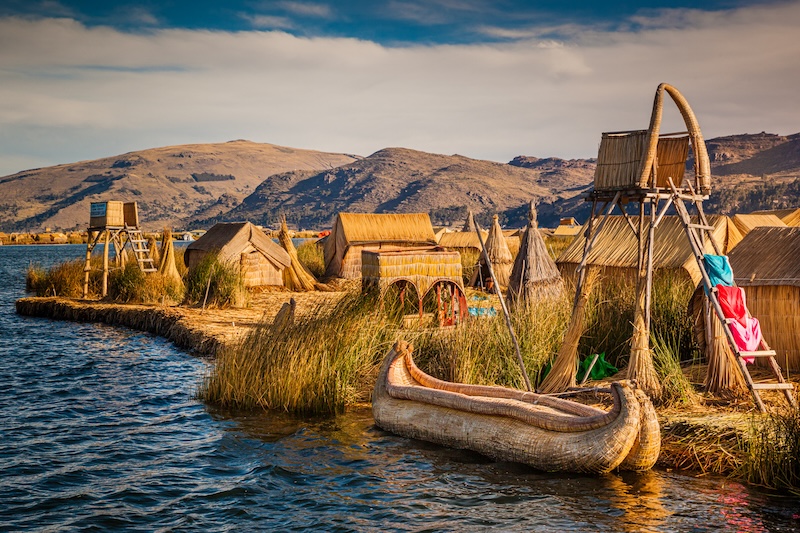
Geography and Getting There: Planning Your Journey
Lake Titicaca spans the borders of Peru and Bolivia, nestled high in the Andes. Its elevation, at 3,812 meters, makes it the highest navigable lake globally.
Reaching Lake Titicaca is an adventure in itself. It offers breathtaking views of the Andean landscape. Travelers often start their journey from the city of Puno in Peru or Copacabana in Bolivia.
Both Puno and Copacabana are well-connected by road and offer a range of accommodations and amenities. From either city, you can embark on boat tours to explore the lake's myriad islands.
Planning your trip involves considering the best travel routes and understanding the regional geography. Direct flights from Lima to Juliaca, near Puno, are available, followed by a scenic drive.
Here are key points to keep in mind:
- Choose Puno for access to Peruvian islands
- Copacabana provides entry to Bolivia's shores
- Consider altitude effects when planning your stay
Navigating the regions around Lake Titicaca requires thoughtful preparation. It promises an unforgettable travel experience amidst nature and culture.
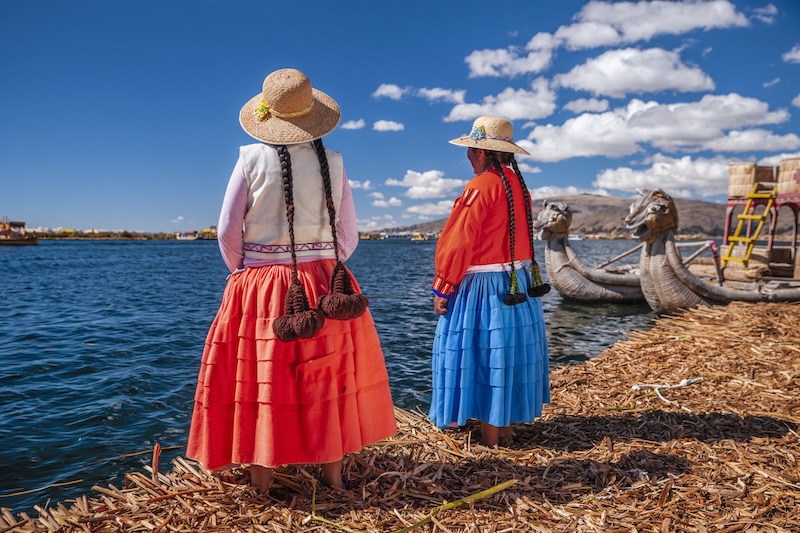
The Islands of Lake Titicaca: Unique Worlds to Explore
Lake Titicaca's islands offer diverse and immersive experiences, each with its cultural and natural significance. A trip across these waters introduces travelers to unique ways of life.
Start with the iconic Uros Floating Islands, where indigenous people are living for centuries on islands crafted from totora reeds. Witness their living traditions and vibrant community spirit.
Continuing your journey, the islands of Taquile and Amantani welcome visitors with their renowned textile craftsmanship. These islands are celebrated for intricate and colorful designs. It reflects their rich cultural heritage.
Further exploration leads to the fabled Island of the Sun and the Island of the Moon. They are deeply rooted in Inca lore. Sacred sites here echo the ancient civilization's spiritual past.
Notable island features:
- Uros: Floating islands and totora culture
- Taquile: Traditional weaving techniques
- Amantani: Unique textiles and community life
- Island of the Sun: Inca ruins and mythology
Another fascinating aspect involves local festivals and rituals. It offers an authentic glimpse into the region's vibrant traditions. These celebrations often coincide with indigenous spiritual practices.
For adventure seekers, the serene landscapes and azure waters provide opportunities for hiking and kayaking. The islands' natural beauty complements cultural attractions.
Exploring Lake Titicaca's islands is both a journey through history and a celebration of living cultures. Each destination reveals a different facet of life by the lake.
Choosing an island to visit depends on personal interests. You will have possibilities ranging from cultural immersion to serene contemplation. The islands present an engaging tapestry of experiences.
Uros Floating Islands: Ingenious Living Traditions
The Uros Floating Islands embody human ingenuity and resilience. This community has adapted to lake life by crafting islands from totora reeds.
These reeds are abundant in the lake and form the foundation for everything on the islands, from houses to boats. Each island is meticulously maintained, with new layers of reeds added regularly.
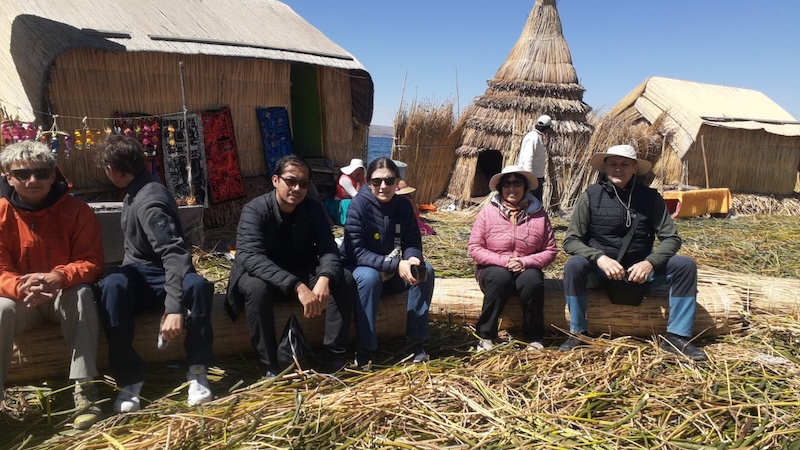
A visit here unveils a lifestyle deeply intertwined with nature and tradition. The Uros people share their history and demonstrate ancient skills vital to their survival.
Key aspects of Uros life include:
- Reed-building techniques
- Totora boats and crafts
- Traditional songs and stories
Interacting with the Uros offers travelers a chance to appreciate a sustainable lifestyle. Their intimate connection with the environment underscores a profound respect for natural resources.
The Uros community showcases how traditions thrive through adaptation and continuity. Engaging with them offers an enriching glimpse into an enduring way of life.
Taquile and Amantani: Weaving, Textiles, and Community Life
Taquile and Amantani Islands are renowned for their exceptional textile artistry. Residents on these islands have preserved age-old weaving techniques. They produce vibrant, intricate textiles.
The textiles of Taquile are UNESCO-recognized for their cultural significance. It reflects social status, marriage, and community identity. The weaving is done by both men and women using traditional methods.
Amantani offers not just textiles but a rich community experience. Visitors are welcomed into homes, participating in daily activities and enjoying local cuisine.
Highlights of these islands include:
- Traditional textile workshops
- Cultural exchange with local families
- Handwoven garments and accessories
Staying on these islands often includes participating in communal activities. They foster a deeper understanding of island life. The serene landscapes enhance this cultural immersion.
Visitors find joy in learning about traditional practices and values. They are woven into every aspect of life here. Taquile and Amantani demonstrate harmony between culture and environment.
The Island of the Sun and the Island of the Moon: Inca Legends Alive
The Island of the Sun and the Island of the Moon are steeped in Inca mythology. These islands are believed to be the birthplace of the sun god and the first Inca kings.
Walking these islands is like stepping back in time. They are home to archaeological sites that echo ancient rituals and stories. Ruins of temples and sacred spaces adorn the landscape.
Visitors can feel the spiritual heritage that still lingers. It offers a powerful connection to the past. A journey here is both magical and enlightening, a fusion of myth and history.

Indigenous Communities and Cultural Immersion
Lake Titicaca's indigenous communities offer travelers a chance to delve into rich cultural landscapes. Here, the Aymara and Quechua people share centuries-old traditions with visitors.
These communities are custodians of a diverse cultural heritage. This heritage is upheld through vibrant customs and oral histories passed down through generations.
Visiting offers direct engagement with these traditions, from witnessing ceremonies to participating in daily activities. These opportunities provide a deeper appreciation for indigenous lifestyles.
Experiences to seek:
- Participate in local festivals
- Engage in traditional storytelling
- Learn about indigenous agriculture
Homestays facilitate immersive experiences, where guests live alongside locals, sharing meals and stories. This cultural exchange fosters mutual understanding and respect.
Additionally, community-based tourism initiatives empower residents, ensuring that tourism benefits local economies. This model highlights the significance of sustainable practices.
Engaging with these communities is more than a visit; it's a transformative journey into a vibrant world. The insights gained are invaluable, enriching any travel narrative.
These connections emphasize the resilience and dynamism of Lake Titicaca's cultures. The communities' enduring spirit and harmonious relationship with nature leave a lasting impact on visitors.
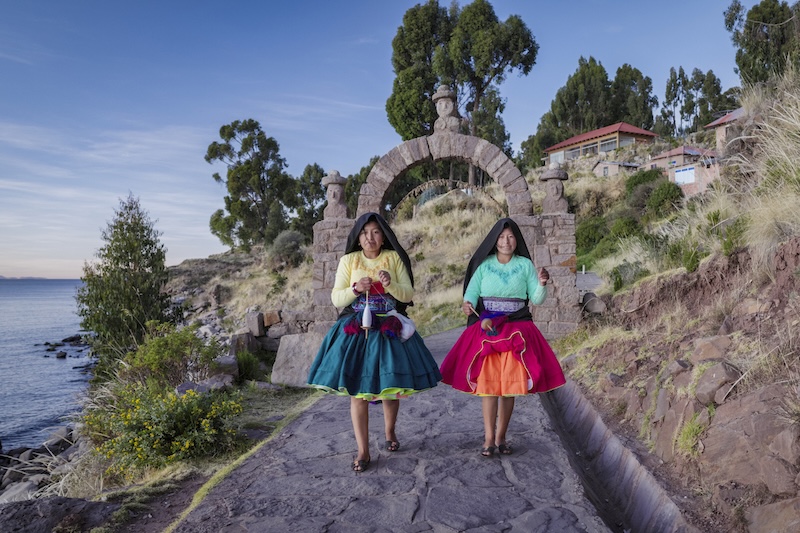
Homestays and Responsible Tourism: Authentic Encounters
Staying with local families transforms a trip to Lake Titicaca into something truly remarkable. Homestays offer insight into daily life and traditional practices, creating genuine cultural exchange.
Such experiences allow travelers to explore beyond the usual tourist path, fostering connections with the local community. Guests can assist with everyday activities like cooking and farming, gaining firsthand experience.
Benefits of Homestays:
- Experience local customs firsthand
- Support community development
- Help preserve cultural heritage
Importantly, these encounters promote responsible tourism, ensuring that the traveler's impact is positive and sustainable. By choosing homestays, visitors contribute to local economies and support initiatives that safeguard cultural traditions.
Staying with a family reveals the warmth and hospitality at the heart of Lake Titicaca's communities. These moments create unforgettable memories and deepen understanding. They pave the way for respectful cultural engagement.
Festivals, Rituals, and Living Traditions
Lake Titicaca is a vibrant tapestry of festivals and rituals that showcase its rich cultural heritage. These events are deeply rooted in the beliefs of the indigenous communities. They reflect a deep connection to the land.
One of the most enchanting festivals is the Feast of the Virgin of Candelaria. Locals celebrate it with music, dance, and colorful costumes. This annual event is held in Puno. It draws participants from across the region, transforming the city into a lively fiesta.
Key Traditions:
- Feast of the Virgin of Candelaria
- Traditional Aymara and Quechua rituals
- Community gatherings and processions
Participating in these traditions provides a window into the spiritual life of Lake Titicaca's inhabitants. Visitors gain a deeper appreciation for the living traditions that continue to thrive, ensuring that the cultural spirit remains vibrant and enduring.
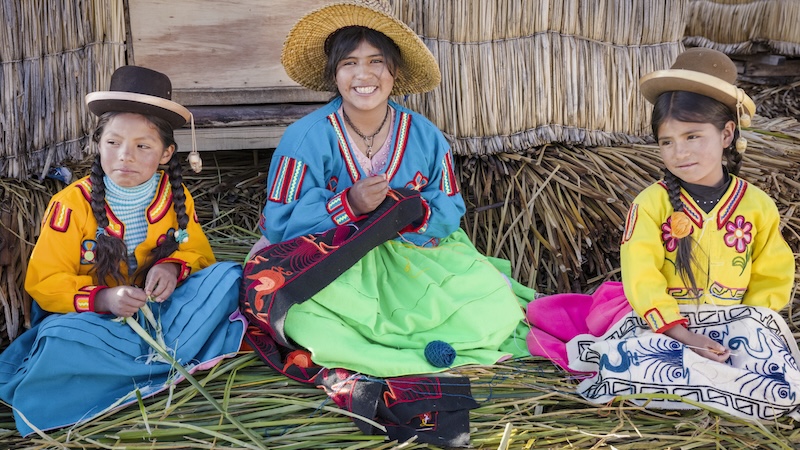
Nature and Wildlife: Beyond the Human Story
Lake Titicaca's natural wonders extend beyond its human stories, offering a unique ecosystem. The lake is home to species found nowhere else, making it a haven for nature enthusiasts.
Among the unique wildlife, the Titicaca water frog stands out as an endemic species. Birdwatchers can delight in spotting various bird species that thrive around the lake's shores.
Key Wildlife:
- Titicaca water frog
- Diverse bird species
- Rich aquatic biodiversity
Exploring these natural treasures adds an additional dimension to the Lake Titicaca experience. It showcases the importance of conservation and respect for this delicate environment.
Practical Considerations: Altitude, Weather, and Packing Tips
Touring Lake Titicaca requires thoughtful preparation, particularly due to its high altitude. At approximately 3,812 meters (12,507 feet) above sea level, acclimation is key.
Altitude sickness can affect travelers unaccustomed to such heights. It's wise to ascend gradually and stay hydrated.
Weather varies significantly between seasons. The best time to visit is during the dry months from May to October.
Essential Packing List:
- Warm layers for cool temperatures
- Sun protection: hat, sunglasses, sunscreen
- Reusable water bottle for hydration
Local cuisine features ingredients like quinoa and fresh fish. Sampling these dishes offers a taste of regional culture.
Travelers should also plan for cooler evenings, packing layers and warmer clothing to stay comfortable. By preparing accordingly, your Lake Titicaca tour will be a seamless adventure.

Sustainable Travel and the Future of Lake Titicaca Tours
Sustainable travel is vital to preserving Lake Titicaca's rich cultural and natural legacy. Travelers can support this initiative by making conscious choices.
Tour companies now offer eco-friendly tours that minimize environmental impact. Opting for these options helps protect the lake's fragile ecosystem.
Key sustainable practices include:
- Choosing community-based tours
- Supporting local artisans and markets
- Respecting local customs and traditions
These small steps collectively safeguard the future of Lake Titicaca tours. They ensure that future visitors can continue to explore and cherish this remarkable destination.
Essential Experiences: What Not to Miss on a Lake Titicaca Tour
A visit to Lake Titicaca offers an array of unique experiences. Each adventure is a blend of natural beauty and cultural richness.
Begin your journey by visiting the intriguing Uros Floating Islands. The local communities have ingeniously adapted to the lake's environment.
Next, explore Taquile Island's vibrant textiles and immerse yourself in the art of traditional weaving. This is a centuries-old craft preserved by the locals.
Don't miss these experiences:
- Visiting the ancient Tiwanaku ruins
- Attending the Festival of Candelaria in Puno
- Enjoying a homestay with an indigenous family
These highlights promise to enrich your understanding of Lake Titicaca. They are essential in capturing the true essence of this mystical place.

Final Reflections: The Enduring Magic of Lake Titicaca
Lake Titicaca's allure lies in its blend of the mystical and the tangible. It is a place where ancient legends and living traditions coexist harmoniously.
Visitors often leave with a profound appreciation for the resilience of its people. The indigenous communities embody a deep connection to the land and their ancestors.
Every moment spent here adds a new layer to one's understanding of culture and nature. Lake Titicaca remains a timeless testament to the enduring spirit of the Andean region.