How can I travel from Cusco or La Paz to Lake Titicaca
Lake Titicaca, the largest lake in South America, is a destination rich in culture and history. Nestled between Peru and Bolivia, it is considered the cradle of the Inca civilization. This guide will help you travel from Cusco or La Paz to this enchanting lake.
Traveling to Lake Titicaca offers a chance to explore its unique geography and vibrant communities. From Cusco, you can choose between bus, train, or plane to reach Puno, the Peruvian gateway. La Paz travelers can opt for a scenic bus ride or a combination of bus and boat to Copacabana.
Once there, immerse yourself in the local culture with Titicaca tours. Visit the Uros Floating Islands, Taquile, and Amantani for authentic experiences. Engage in lake activities like hiking and exploring ancient ruins.
Prepare for high altitudes and varying weather. Respect local customs and support community-based tourism. Lake Titicaca promises a journey of discovery and connection.
Understanding Lake Titicaca: Geography, Culture, and Significance
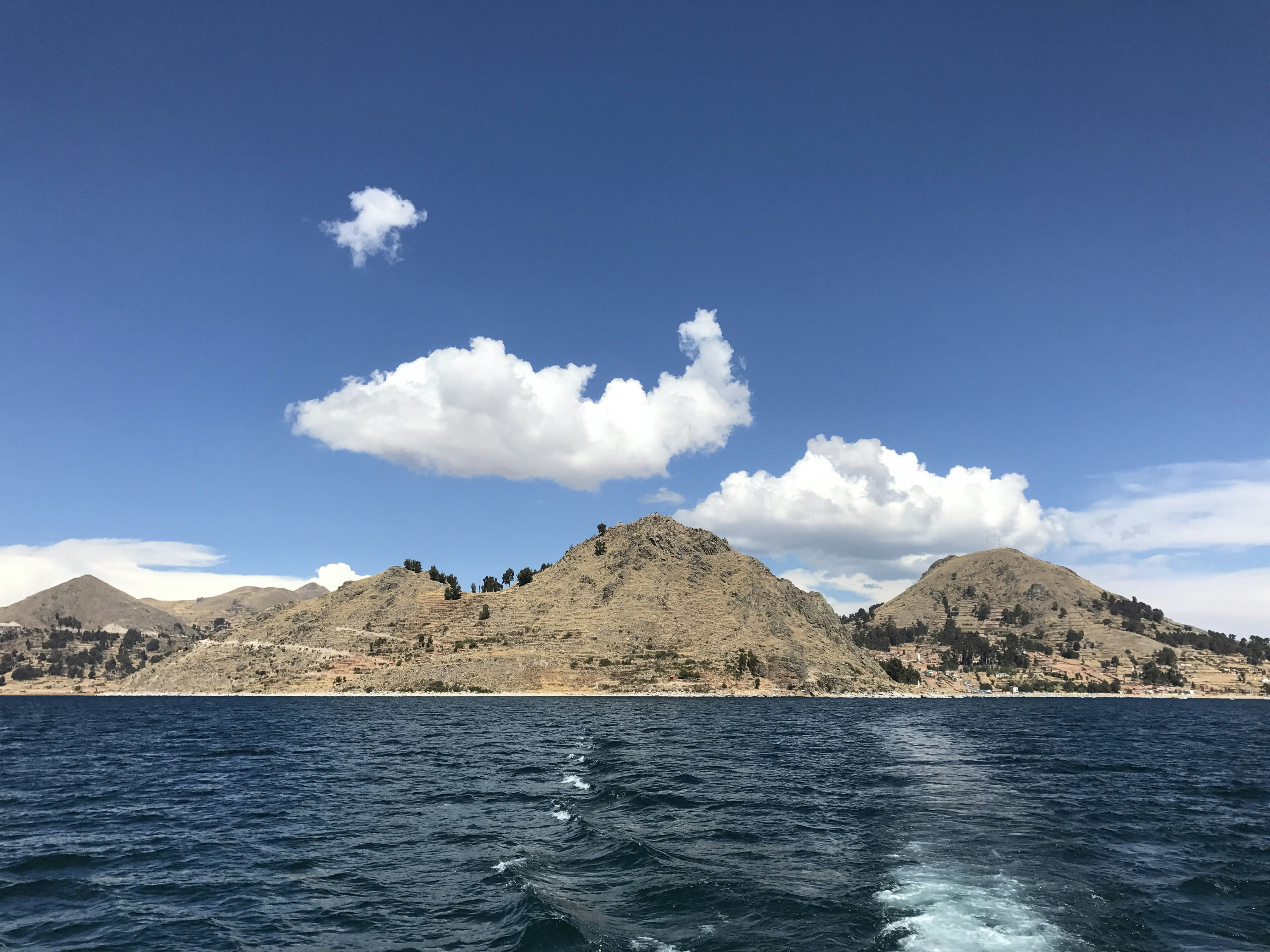
Lake Titicaca lies at the heart of Andean mythology and geography. Straddling the border between Peru and Bolivia, it spans over 8,300 square kilometers. Its altitude is over 3,800 meters, making it one of the world's highest navigable lakes.
The lake's waters are sacred to the indigenous Aymara and Quechua peoples. According to legend, it is the birthplace of the Sun and the Inca civilization. This cultural significance lends an air of mystique to the area.
Travelers are drawn to its stunning landscapes and rich biodiversity. From totora reed beds to ancient ruins, the lake's features captivate the imagination. Its islands, like Taquile and Amantani, preserve vibrant traditions and offer authentic experiences.
Local communities maintain deep connections to their ancestral heritage. Traditional weaving and crafts are a testament to their enduring cultural practices. A visit provides insight into the intricate tapestry of Andean life.
For those planning a journey, understanding Lake Titicaca is essential. The area's significance is woven into its geography and stories. It invites travelers to explore and engage thoughtfully.
Key Highlights:
Shared by Peru and Bolivia
Birthplace of the Inca civilization
Home to diverse flora and fauna

Planning Your Journey: When and How to Visit Lake Titicaca
To make the most of your trip to Lake Titicaca, plan your visit carefully. The region's high-altitude environment requires thoughtful preparation. Both how you arrive and when you go impact your experience.
Consider traveling from either Cusco in Peru or La Paz in Bolivia. Both starting points offer unique travel routes and landscapes. Each has its own cultural backdrop that enhances the journey.
For transportation, options include bus, train, or plane, each with distinct advantages. The bus offers a budget-friendly option with scenic views. Trains provide a luxurious, slow-paced journey steeped in history.
The dry season, from May to October, offers optimal weather with minimal rainfall. During this period, days are sunny while nights remain crisp and cool. Plan well to enjoy the activities without the impediment of rain.
A balanced itinerary will allow you to explore several islands and experience local culture. Embrace community-based tourism to enrich your adventure. Responsible travel practices should be a priority at every stage.
Route Highlights:
Buses for scenic drives
Luxury train experiences
Plane for the fastest approach
Best Time to Visit Lake Titicaca
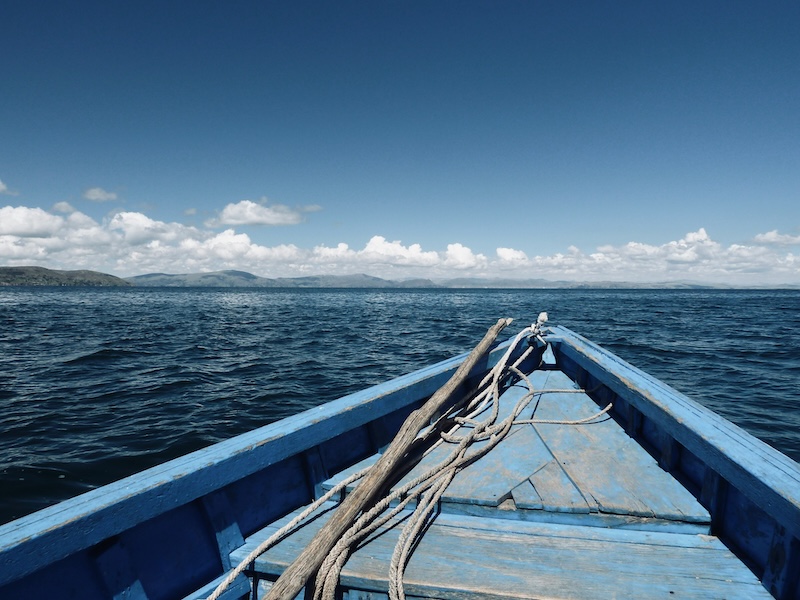
Timing your visit to Lake Titicaca significantly influences your experience. The dry season, spanning May to October, is ideal. During these months, sunny days prevail and rainfall is minimal.
This period allows for uninterrupted exploration. From hiking to island tours, activities thrive in pleasant weather. The sunshine enhances the region's already breathtaking views.
Outside the dry season, plan for occasional rain and overcast skies. While the scenery remains stunning, some activities might face interruptions. Balance your travel expectations with weather realities for a smooth trip.
Seasonal Tips:
May to October: Best for travel
Sunny days and cool nights
Plan for dry conditions
Acclimatization and Health Considerations
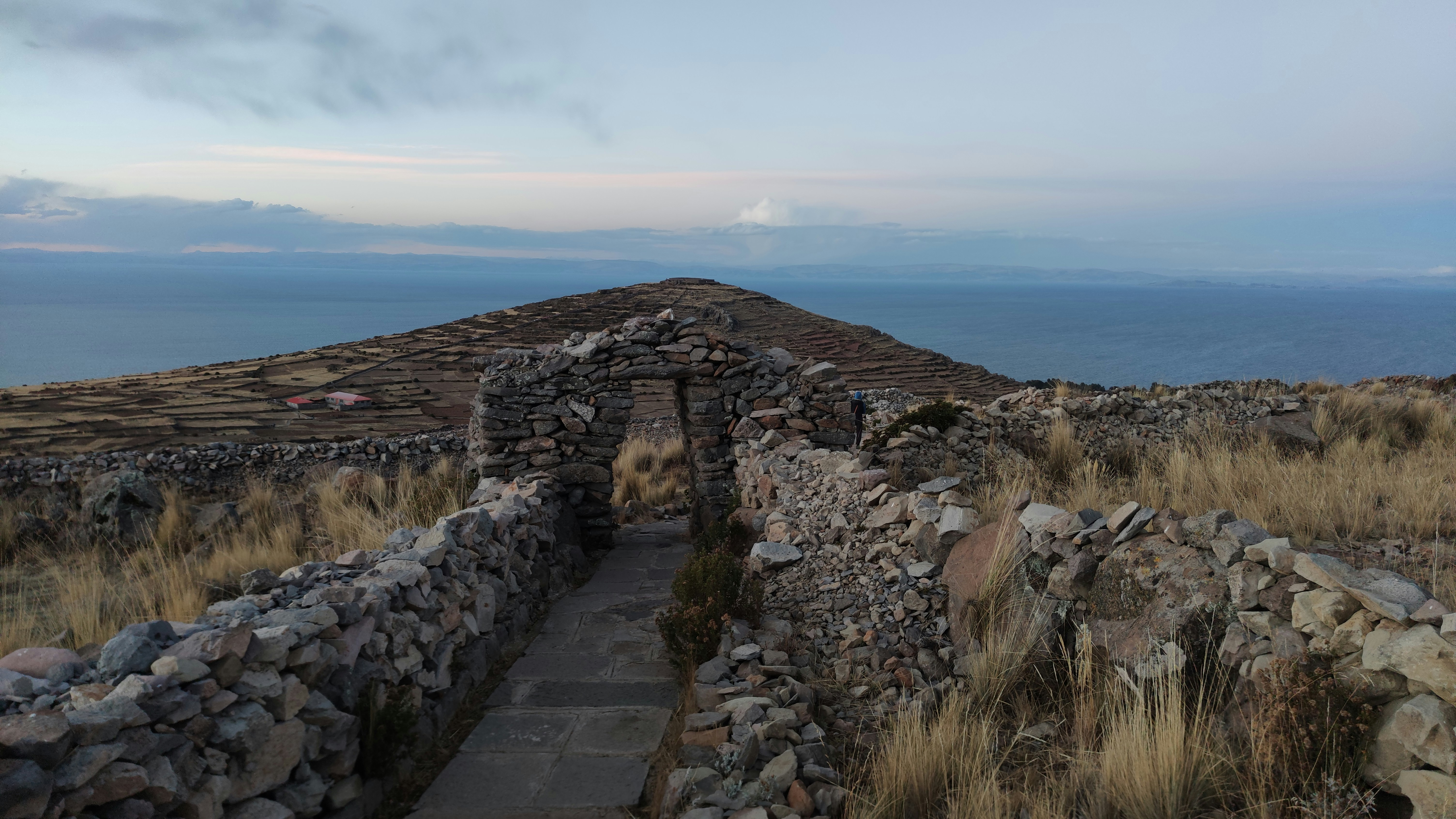
Lake Titicaca's high elevation necessitates acclimatization. At over 3,800 meters, altitude can pose health challenges. Planning extra time for acclimatization is crucial.
Symptoms like headaches and fatigue are common as your body adjusts. To ease symptoms, stay hydrated and rest upon arrival. Allow for gradual adjustment to the thinner air.
Prioritize your health by consulting a doctor if necessary. Pre-trip medical advice can help manage altitude concerns. Preparing properly ensures a safe and enjoyable visit.
Health Tips:
Hydrate and rest
Allow time for acclimatization
Consult a healthcare professional

How to Get from Cusco to Lake Titicaca (Puno)
Traveling from Cusco to Lake Titicaca is a journey rich in scenic beauty and cultural experiences. Puno serves as the main gateway to the Peruvian side of the lake. The route you choose should align with your schedule, budget, and travel preferences.
The most popular choice for many travelers is the bus. It's affordable and allows you to enjoy the breathtaking Andean landscape. Several companies offer daily services that vary in luxury and amenities.
Taking the train, particularly the Andean Explorer, is an unforgettable experience. This option offers luxury travel with stunning views. The train journey is longer but provides unmatched comfort and leisure.
For those short on time, flying directly from Cusco to Juliaca, near Puno, is efficient. From Juliaca, a short bus or taxi ride will take you to Puno. This route cuts down travel time significantly.
Bus Highlights:
Scenic views
Multiple service levels
Budget-friendly
Train Perks:
Luxury service
Panoramic vistas
Unique experience
Flight Details:
Quick transit
Requires an onward transfer
Best for time-strapped travelers
By Bus: Routes, Companies, and Tips
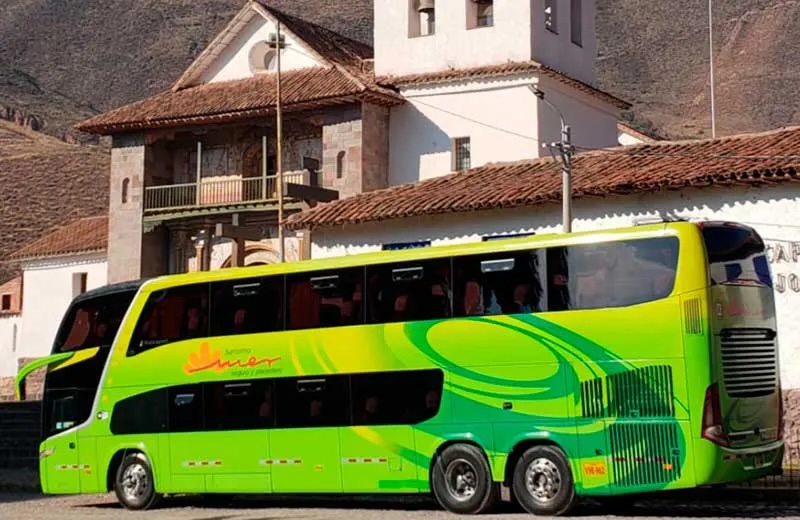
Traveling by bus from Cusco to Puno offers flexibility and budget-friendly options. This route includes several reputable companies, each offering different levels of service. Buses typically operate as either day trips or overnight journeys.
Cruz del Sur and Peru Hop are two popular companies, both known for safety and comfort. While Peru Hop offers hop-on-hop-off flexibility, Cruz del Sur provides a premium experience. These buses generally stop at key tourist attractions en route.
Planet Odysseys has partnered with some of te reputed compaies to offer a reliable service on this route.
Choose a reputable company, especially if you're traveling overnight. Book tickets in advance to secure your spot, particularly during peak travel months. Consider how many stops are planned if you prefer direct routes.
Bus Companies:
Cruz del Sur
Peru Hop
By Train: The Andean Explorer Experience
For a luxurious and scenic journey, consider the Andean Explorer train. This route offers a unique travel experience from Cusco to Puno. The journey takes approximately ten hours, traversing the high Andean plains.
The Andean Explorer embodies luxury travel with gourmet dining, plush seating, and panoramic windows. The views of the landscapes are unparalleled, making the long journey an experience in itself. This train journey is about the spectacle and indulgence rather than speed.
Though it is more expensive, the quality of service justifies the cost. This option suits travelers seeking leisure and elegance. Reserve seats well ahead of time, especially during the peak tourist season.
Train Features:
Luxury interiors
Fine dining
Panoramic observation car
By Plane: Fastest Option and Practicalities
For those prioritizing time, flying from Cusco to Juliaca is the fastest way to reach Lake Titicaca. Airlines like LATAM and SKY Peru operate regular flights that take about an hour and a half to Lima and another two hours to Juliaca.
Once you land in Juliaca, a bus or taxi will take you to Puno. The convenience of flights makes this option appealing for short trips. Bear in mind that the cost is typically higher than bus or train routes.
Advance booking is recommended, as flights can fill up quickly during high season. Checking airline policies on baggage and scheduling is also advisable.
Flight Considerations:
Quickest travel time
Requires additional ground transport
Higher costs
How to Get from La Paz to Lake Titicaca (Copacabana)
Traveling from La Paz to Lake Titicaca offers multiple paths filled with awe-inspiring views and cultural insights. Copacabana serves as a charming entry to the Bolivian side of the lake. This journey allows for rich exploration, whether opting for a direct bus ride or combining it with a boat crossing.
Buses offer a straightforward journey with direct routes readily available. A variety of companies provide services that range from economical to more comfortable seating. The trip typically takes around four hours and traverses some of Bolivia’s striking highland scenery.
For a more varied travel experience, consider taking a combination of bus and boat. This route involves crossing the Strait of Tiquina by ferry, adding an extra layer of adventure. The boat journey, although short, is an opportunity to appreciate the lake's expansive beauty.
Before embarking, familiarize yourself with border crossing procedures, especially if visiting both Peru and Bolivia. Ensure proper documentation is ready to avoid delays at checkpoints. Consider travel insurance that covers both countries for a worry-free experience.
Travel Options:
Direct bus routes
Bus and boat combinations
Key Considerations:
Scenic views
Explore different travel modes
By Bus: Direct and Scenic Options
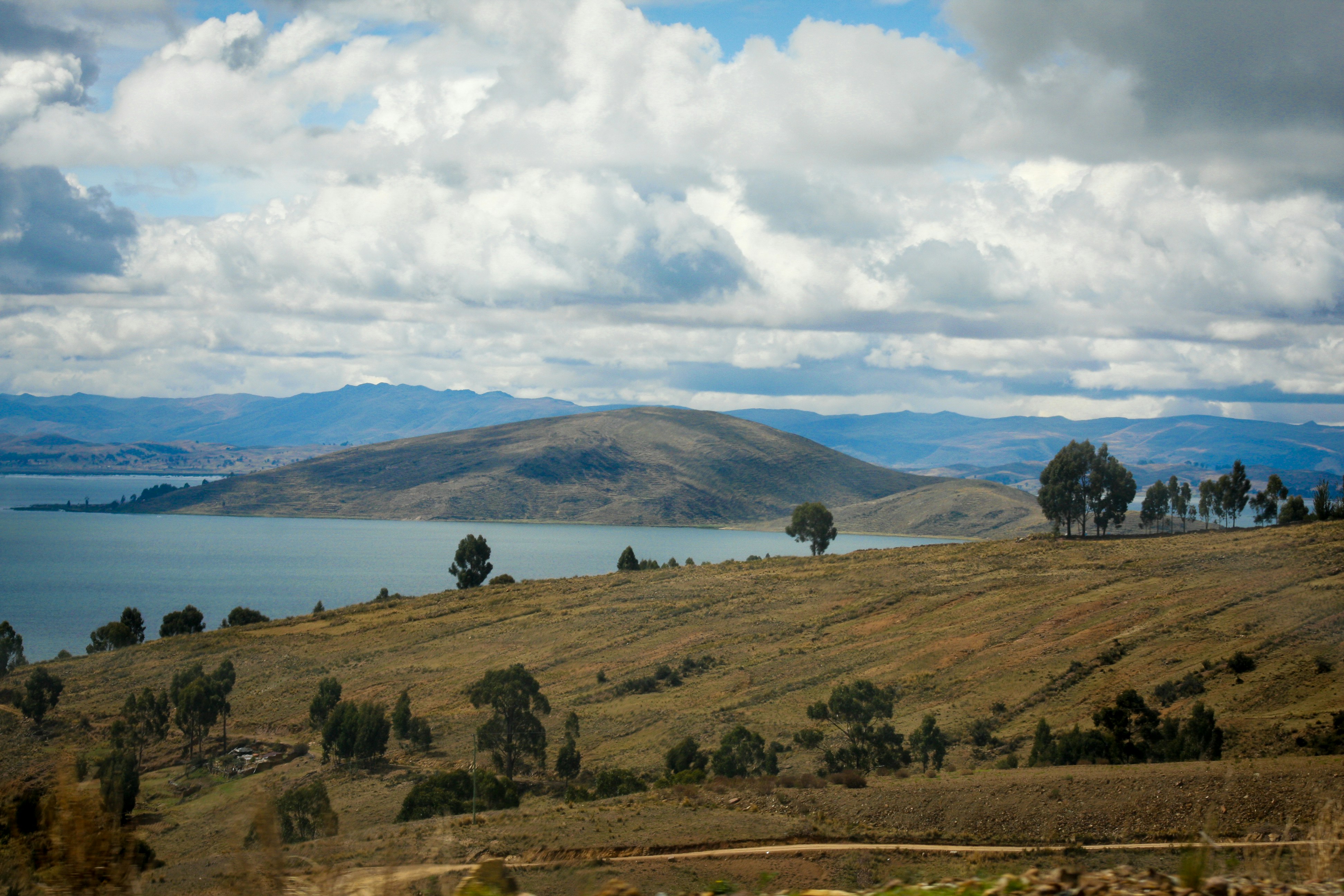
The most convenient way to reach Copacabana from La Paz is by bus. Several companies, including Bolivia Hop and Trans Copacabana, offer daily services. The journey is straightforward and typically takes four hours.
Travelers can choose between standard and more upscale buses, depending on comfort preferences. A typical route provides opportunities to witness stunning vistas and quaint villages. These scenic views make the bus ride a part of the travel experience.
Booking your bus in advance is recommended, especially during high tourist seasons. Make sure to check the bus amenities, such as restroom facilities and reclining seats, to ensure comfort during the ride.
Bus Companies:
Bolivia Hop
Trans Copacabana
Titicaca Bolivia
By Bus and Boat: Crossing the Strait of Tiquina
For a more immersive travel experience, consider taking a bus that includes crossing the Strait of Tiquina by boat. This option adds an adventurous twist to the journey.
The crossing involves a short ferry ride, which provides breathtaking views of the lake. While the ride is brief, the experience is memorable and offers unique photo opportunities.
Travelers often enjoy the mix of road and water travel. Ensure your bus ticket includes the ferry passage. The ferry operates frequently, reducing waiting times for buses and passengers.
Key Experiences:
Unique ferry crossing
Photos of the lake
Diverse transport modes
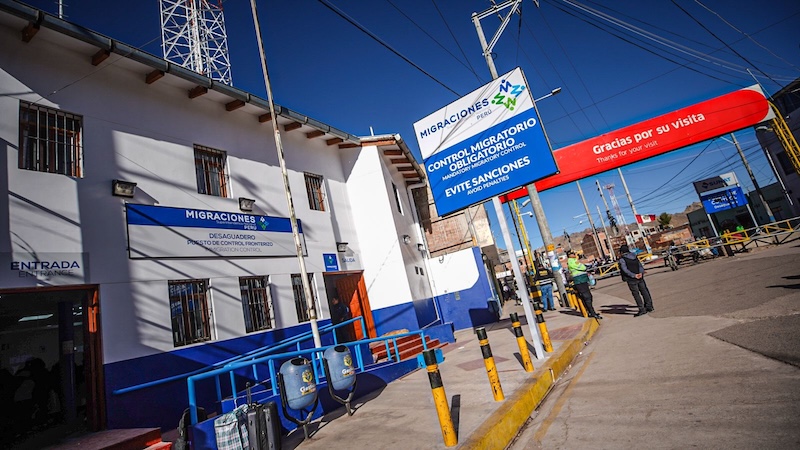
Border Crossing Tips and Requirements
When traveling between Peru and Bolivia, being prepared for border crossings is vital. Documentation includes a valid passport and, for some nationalities, a visa. Check requirements well in advance as they can vary.
Border towns can be busy, so allocate extra time for potential delays. Have your papers in order and easily accessible. It's also helpful to know some basic Spanish phrases to ease communication.
By planning your border crossing carefully, you can ensure a smooth transition between the two countries. Look up any recent changes in border procedures prior to your trip for the most accurate information.
Tips for Travelers:
Carry essential documents
Check visa requirements
Plan for extra time
Lake Titicaca Tours: Choosing the Right Experience
Lake Titicaca tours provide a chance to dive deep into the cultural and natural wonders of the region. Selecting the right tour is essential for a rewarding experience. Visitors have a plethora of options, from short day tours to extended itineraries exploring multiple islands.
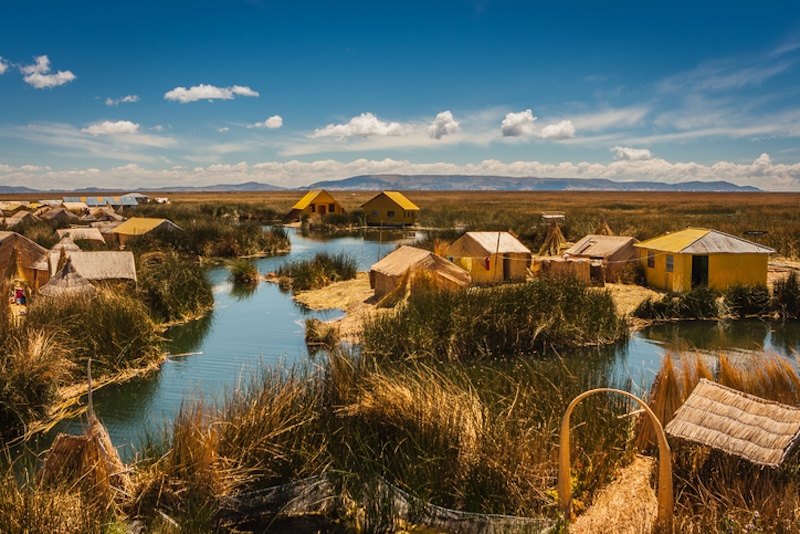
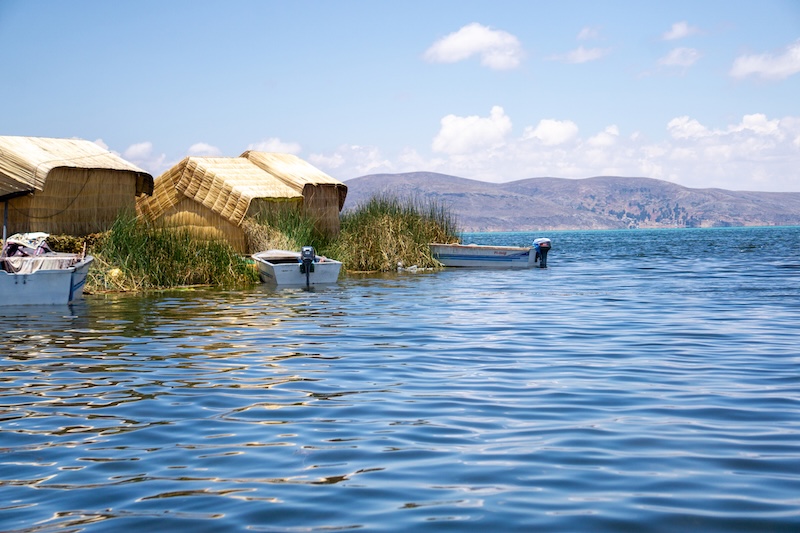
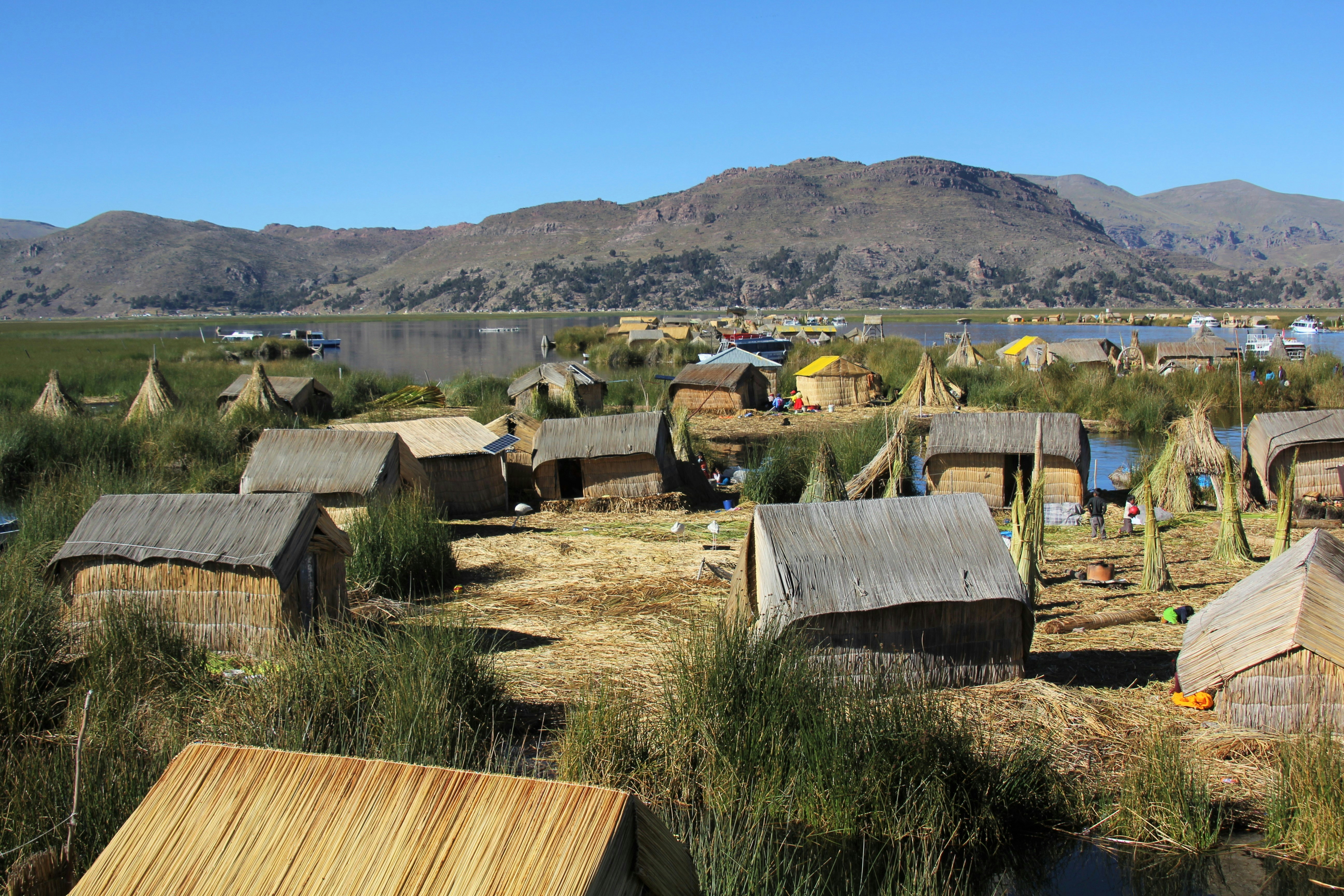
Many tours include visits to the famous Uros Floating Islands. These islands, made from totora reeds, offer insight into the traditional lifestyles of the Uros people. Other popular stops are Taquile and Amantani Islands, renowned for their vivid local culture and traditional crafts.
When planning your visit, consider tours that emphasize ecological preservation and cultural respect. These tours not only minimize environmental impact but also support local communities. It’s crucial to choose operators committed to sustainable tourism practices.
Inquire about tour groups' size to ensure a more intimate experience. Smaller groups often mean more personalized attention and greater engagement with local hosts. They also allow for quieter, more reflective exploration moments.
Look for tours that provide knowledgeable guides. Guides bring the rich history and traditions of the lake to life, enhancing understanding and appreciation.
Tour Highlights:
Uros Floating Islands visit
Cultural insights on Taquile Island
Ethical and Responsible Titicaca Tours
Ethical tourism at Lake Titicaca focuses on respecting the lake's cultural and environmental significance. Engaging with tours that prioritize this approach ensures a positive impact. These tours employ local guides and educate visitors on cultural norms.
Responsible tours advocate for the preservation of cultural heritage, including language and traditional practices. This approach not only offers an enriching experience but helps sustain local traditions. Choosing such tours supports the economy of indigenous communities.
Before booking, review the tour company’s ethical policy. A reputable operator will have clear commitments to cultural respect and environmental care. Opt for tours that use eco-friendly transportation and prioritize waste reduction.
Ethical Tour Practices:
Employ local guides
Support cultural preservation
Use eco-friendly transport
Community-Based and Cultural Immersion Options
Community-based tours offer profound cultural exchanges and unforgettable memories. These tours often feature homestays, where visitors spend nights with local families. It’s an opportunity to participate in daily life, from cooking to farming practices.
Such tours provide deeper cultural immersion. They allow travelers to learn traditional crafts and witness age-old ceremonies. Participants gain a more authentic perspective on life around Lake Titicaca.
Select tours that emphasize respectful engagement and collaboration. Community-focused tours help foster economic growth and cultural sustainability. They ensure that tourism benefits are shared equitably among local people.
Cultural Tour Options:
Homestays with local families
Traditional craft workshops
Participation in local ceremonies
Lake Titicaca Activities: What to Do on and Around the Lake
Lake Titicaca offers a myriad of activities that cater to diverse interests. Beyond its stunning landscapes, the lake is a hub of cultural and historical exploration. Engaging with these activities enhances your appreciation of the area’s unique heritage.
Visitors can embark on scenic boat tours. These tours reveal breathtaking views and provide access to remote islands. The traditional boats themselves are a charming aspect of the experience.
Cultural tours offer immersive insights into local customs. Witness traditional dances and participate in community festivities. It’s a chance to connect with the legacy of ancient civilizations.
The lake is a paradise for outdoor enthusiasts. Activities such as kayaking and hiking allow for an invigorating way to explore. These pursuits also provide moments of solitude and reflection.
Don't miss the vibrant local markets. Here you can sample regional cuisine and buy handmade crafts. These markets are a window into the local lifestyle and economy.
Key Activities:
Scenic boat tours
Cultural immersion
Outdoor adventures
Island Hopping: Uros, Taquile, Amantani, Isla del Sol
Island hopping on Lake Titicaca showcases its diverse cultural landscape. Each island offers distinct traditions and experiences. It’s an excellent way to see the lake from different perspectives.
The Uros Floating Islands are a must-visit for their unique construction. Built entirely of reeds, these islands are home to the Uros people. Learn about their rich history and the process of island-making.
Taquile Island is famed for its vibrant weaving traditions. Here, you can see traditional techniques in action. The locals’ woven textiles are recognized for their intricate designs.
Amantani Island is an oasis of tranquility. Enjoy homestays that offer a genuine look into island life. You’ll find warm hospitality and a slower pace.
Isla del Sol, in Bolivia, is steeped in Incan mythology. It boasts significant archaeological sites and stunning views. Discover the sacred paths once trodden by ancient people.
Island Highlights:
Uros Floating Islands: reed construction
Taquile: traditional weaving
Isla del Sol: Incan heritage
Outdoor Adventures: Hiking, Kayaking, and Wildlife Watching
For adventure seekers, Lake Titicaca does not disappoint. The region’s diverse geography offers numerous opportunities for thrill and exploration. Whether on land or water, there’s something for every adventurer.
Hiking the trails around the Yampupata Peninsula is a delight. These paths provide access to stunning vistas and less-traveled areas. You’ll immerse yourself in the natural beauty of the lake’s shorelines.
Kayaking is another exhilarating way to explore Lake Titicaca. Paddling on the pristine waters offers solitude and breathtaking scenery. Spot wildlife along the banks for an added thrill.
Wildlife enthusiasts can enjoy observing the region’s biodiversity. Keep an eye out for birds and native plant species. It’s an enriching experience for those with a keen interest in nature.
Adventure Picks:
Hiking on Yampupata Peninsula
Kayaking trips
Wildlife observation
Lake Titicaca Itinerary Suggestions
Crafting the perfect Lake Titicaca itinerary can greatly enhance your visit. Whether you prefer a classic route or a unique adventure, planning ensures a fulfilling experience.
A classic itinerary provides a snapshot of the lake’s cultural and natural wonders. This often includes visits to iconic islands and historical sites. Yet, for those seeking novelty, many less-trodden paths remain.
Consider balancing well-known attractions with hidden gems. This approach offers a broader perspective on the region. Engaging with local communities enriches the itinerary further.
By accommodating diverse interests, you can cater to different travel preferences. Aim to integrate cultural immersion and outdoor pursuits. This ensures that each day is both enlightening and exciting.
Sustainability and ethics should remain focal points in planning. Choose eco-friendly tours and support community-based initiatives. This way, your itinerary contributes positively to the region.
Key Itinerary Elements:
Iconic sites and islands
Balance of cultural and natural attractions
Sustainable and ethical considerations
Classic 2-Day Lake Titicaca Itinerary
A classic 2-day itinerary is a great introduction to Lake Titicaca. It offers a rich blend of cultural and natural experiences. This itinerary is ideal for travelers short on time.
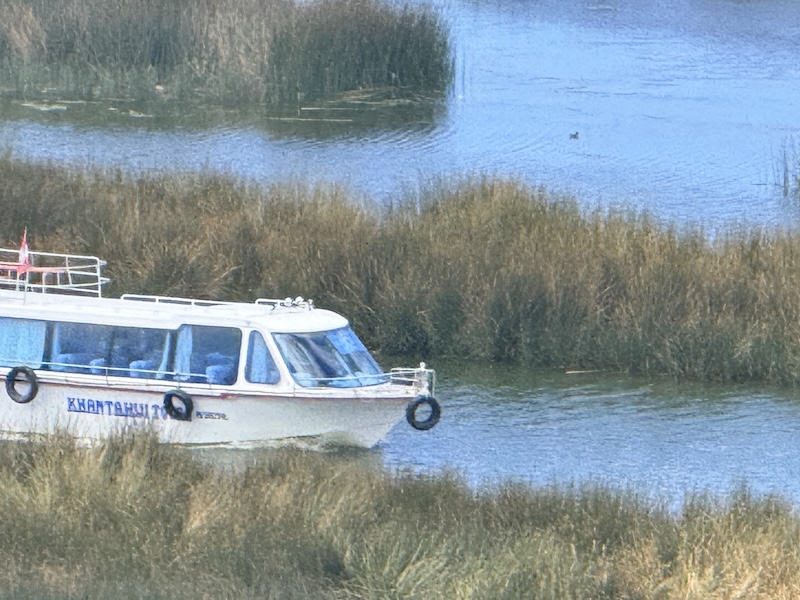
On Day 1, start with a morning boat tour to the Uros Islands. Explore these floating wonders and learn about their unique heritage. Continue to Amantani Island for a homestay and cultural exchange.
Day 2 begins with a scenic journey to Taquile Island. Here, immerse yourself in the island’s renowned weaving culture. Enjoy a leisurely lunch with stunning lake views before returning to Puno.
Key Highlights:
Uros Floating Islands tour
Amantani Island homestay
Taquile Island weaving experience
Off-the-Beaten-Path Itinerary Ideas
For those yearning for unique experiences, off-the-beaten-path options abound. These itineraries highlight lesser-known places and authentic interactions.
Start with a visit to the Yampupata Peninsula. Enjoy a peaceful hike with panoramic views. This area is less crowded, offering a more intimate connection with nature.
Another day could include exploring Isla del Sol in Bolivia. This island is rich in mythology and archaeological sites. A visit here feels like stepping back in time.
Consider a cultural exchange in a small lakeside village. Engage in daily activities with local families. This provides an incredible insight into traditional lifestyles.
Unique Ideas:
Hike on Yampupata Peninsula
Visit Isla del Sol archaeological sites
Participate in a community cultural exchange
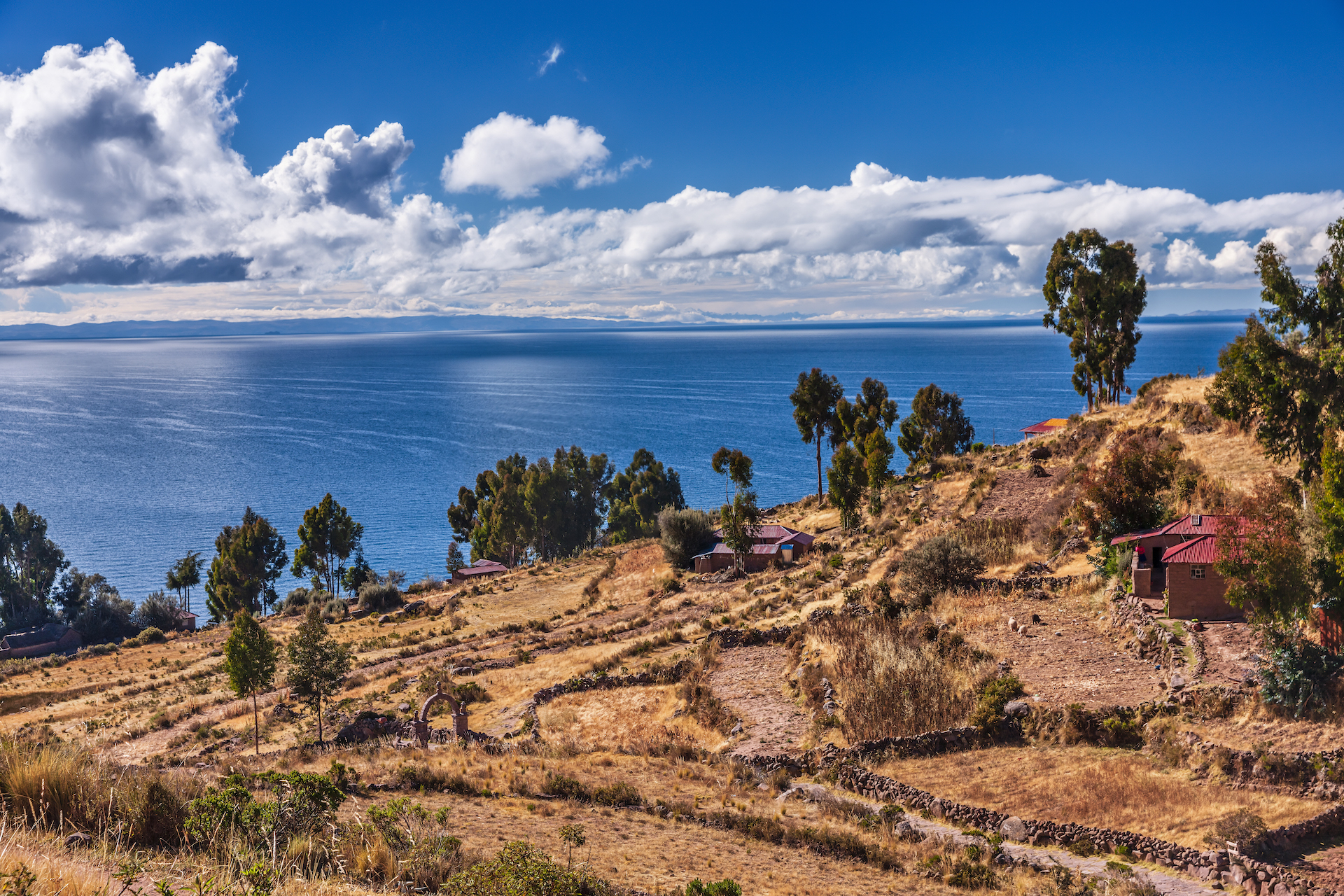
Local Culture, Traditions, and Festivals
Lake Titicaca is steeped in rich cultural traditions. The indigenous Aymara and Quechua peoples maintain vibrant customs. These offer travelers a window into ancient ways of life.
Visitors can partake in living traditions through immersive experiences. Handicrafts, music, and dance play pivotal roles in daily life. Engaging with these practices deepens cultural understanding.
The lake's sacred importance reverberates in local beliefs. Mythology and spirituality are woven into the fabric of life here. This spiritual connection adds a profound layer to travel experiences.
Festivals are colorful displays of cultural pride. They showcase elaborate costumes and lively music. Participating in these celebrations is an unforgettable experience.
Local culinary traditions also reveal cultural stories. Dishes like quinoa soup tell tales of ancient agriculture. Sharing a meal with locals is both nourishing and insightful.
Cultural Highlights:
Traditional Aymara and Quechua crafts
Sacred sites and spiritual practices

Homestays and Community Experiences
Homestays provide an intimate glimpse into local life. They allow for genuine connections with host families. Sharing meals and stories enriches the traveler’s perspective.
Participants partake in community activities, learning firsthand. From farming to traditional cooking, these tasks are insightful. Such experiences foster appreciation for the locals' ways of life.
By choosing homestays, you support community initiatives directly. These programs distribute tourism benefits to local residents. This ensures that your visit has a positive impact.
Community Activities:
Participating in local farming
Learning traditional cooking methods
Major Festivals and Events
Lake Titicaca hosts numerous vibrant festivals. These events celebrate both religious and cultural heritage. They are characterized by music, dance, and spiritual ceremonies.
The Fiesta de la Candelaria in Puno is a standout. It is one of South America's largest festivals. Visitors witness a kaleidoscope of costumes and music.
Another notable celebration is the Aymara New Year. This event marks the solstice and renewal cycles. Celebrants gather at sacred sites for rituals and festivities.
Festival Highlights:
Fiesta de la Candelaria in Puno
Aymara New Year celebrations
Practical Tips for Travel Agents and Adventure Tour Guides
When planning trips to Lake Titicaca, focus on cultural depth. Curate experiences that highlight local traditions and customs. This adds value for clients seeking meaningful travel.
Encourage interactions with local communities during the itinerary. Homestays and market visits foster mutual understanding. Clients will appreciate the personal touch.
Consider the logistics of travel from Cusco or La Paz. Choose transport options that offer comfort and scenic views. This transforms travel into an integral part of the journey.
Educate clients on ethical tourism practices. Respecting local customs and the environment is vital. This ensures that tourism supports, rather than disrupts, the local way of life.
Recommended Engagements:
Guided visits to local markets
Participation in cultural workshops
Logistics Planning:
Arrange comfortable, scenic transport
Schedule ample time for cultural exploration
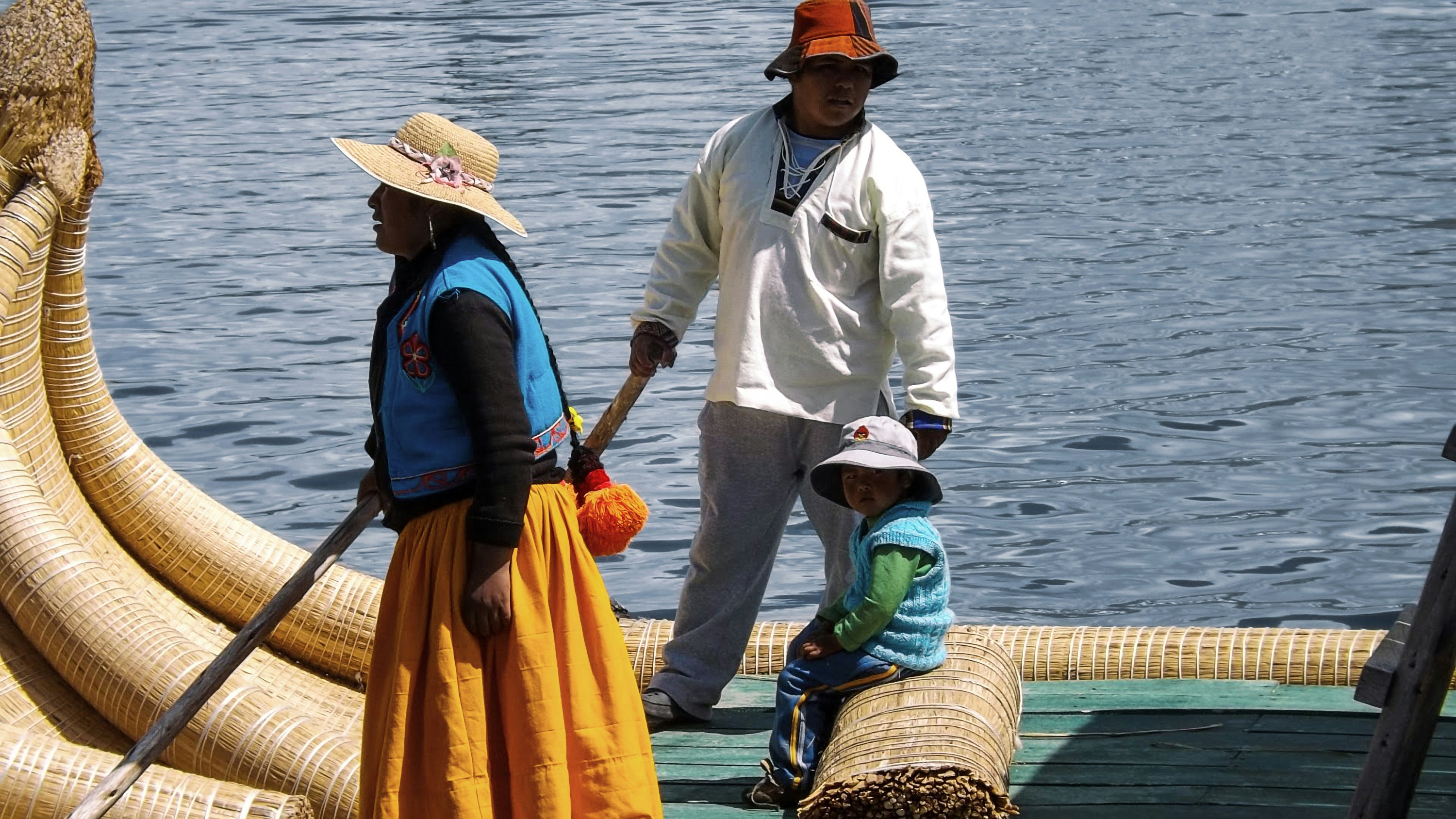
Sustainable and Ethical Travel at Lake Titicaca
Traveling sustainably to Lake Titicaca involves minimizing your impact on the environment and supporting local economies. Opt for eco-friendly accommodations and services. This choice helps protect the lake's fragile ecosystem.
Respect the cultural heritage of the indigenous communities. Learning basic phrases in Quechua or Aymara can enhance interactions. This small effort demonstrates cultural respect and openness.
Prioritize tours led by local guides. These experiences are often more insightful and support the community directly. By doing so, travelers can ensure their journey contributes positively to the region.
Consider These Sustainable Practices:
Choose eco-friendly accommodations
Use reusable water bottles and bags
Support local crafts and foods

Frequently Asked Questions about Lake Titicaca Travel
Travelers often have questions about Lake Titicaca and what to expect. Knowing some basics beforehand can enhance your experience.
Is Lake Titicaca safe for tourists? Yes, it is generally considered safe. However, always follow local guidelines and stay alert to your surroundings.
What should I pack for a trip to Lake Titicaca? The weather varies, so pack layers, sunscreen, and a hat. These essentials can handle both cold nights and sunny days.
Are there any health precautions for visiting Lake Titicaca? Acclimatization is important due to high elevation. Stay hydrated and take it easy upon arrival.
Key Takeaways:
Pack warm clothing and sun protection
Acclimatize to avoid altitude sickness
Stay informed about local safety tips
Conclusion: Creating Meaningful Lake Titicaca Journeys
Embarking on a journey to Lake Titicaca promises profound cultural insights and stunning natural beauty. This unique region offers travelers a blend of adventure and learning. Engaging responsibly with the local communities enhances your experience and theirs.
By choosing sustainable travel practices, you contribute positively to the area. Whether you're crafting travel packages or leading tours, focus on meaningful connections. Encourage support of local guides and community projects.
In conclusion, a trip to Lake Titicaca is more than sightseeing. It’s about understanding and respecting diverse traditions. Create journeys that highlight these cultural treasures, fostering a shared appreciation between visitors and locals.
disable
[simple-author-box]