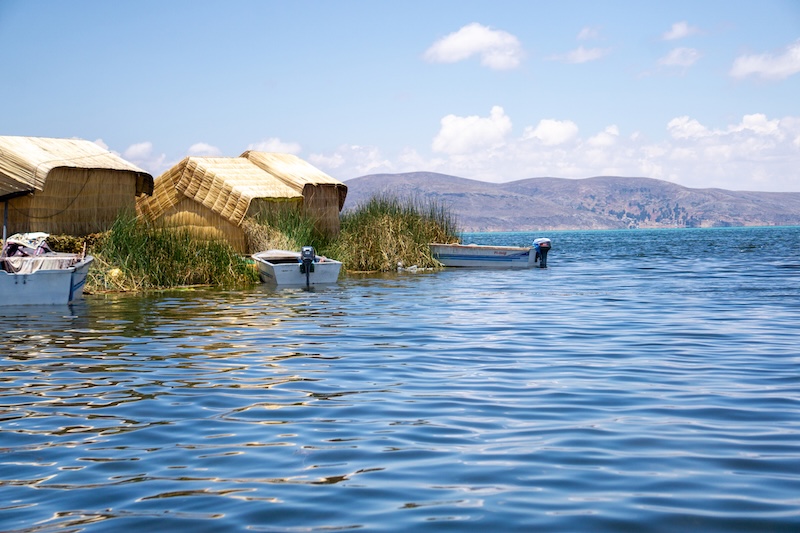
Lake Titicaca is a marvel of nature. It is the largest lake in South America and the highest navigable lake in the world. Its shimmering waters stretch across the border of Peru and Bolivia, offering breathtaking views.
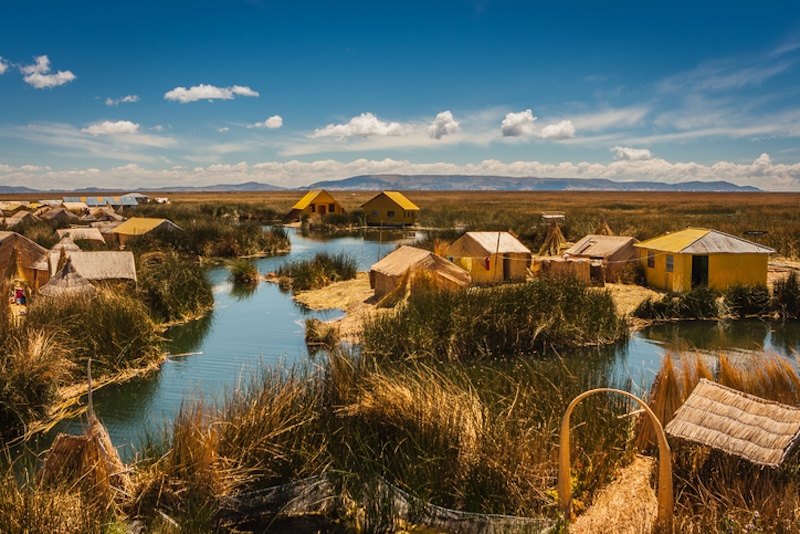
Among its many wonders are the Uros Floating Islands. These man-made marvels are crafted from totora reeds, a testament to human ingenuity. The Uros people have lived here for centuries, maintaining a unique way of life.
The islands are located near Puno, Peru, and are accessible by boat. Visitors are greeted by the warm smiles of the Uros community, eager to share their culture. The islands are a vibrant tapestry of tradition and innovation.
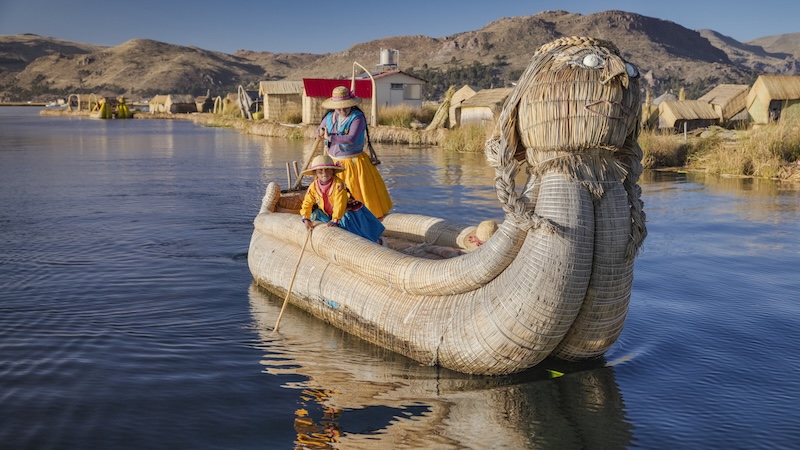
Totora reeds are not only used for the islands but also for homes and boats. The Uros rely on fishing and tourism for their livelihood. Their vibrant textiles and crafts are a feast for the eyes.
The islands are constantly maintained due to the natural decomposition of the reeds. This ongoing process is a symbol of resilience and adaptability. The Uros people speak Aymara and some Spanish, adding to the cultural richness.
Visiting the Uros Floating Islands is an immersive experience. It offers a glimpse into a way of life that has remained largely unchanged. The islands are a living museum of indigenous culture.
For travelers, educators, and influencers, the Uros Islands are a source of inspiration. They are a reminder of the harmony between humans and nature. The islands are a must-visit destination for those seeking adventure and cultural insight.
The Enchanting World of Lake Titicaca
Lake Titicaca exudes an undeniable mystique. Its crystal-clear waters and dramatic surroundings enthrall travelers. The lake's altitude gives a sense of being on top of the world.
This body of water is a geographical wonder. It spans over 3,200 square miles, bordered by the majestic Andes. The sheer size and beauty of Lake Titicaca are unparalleled.
The natural landscape is mesmerizing. Azure waters reflect the bright Andean sky, creating a striking contrast. Snow-capped peaks frame this tranquil setting.
Lake Titicaca is steeped in myth and legend. Ancient Incan tales speak of the lake's divine origin. These stories add a layer of mystique to its already captivating allure.
Travelers find a wealth of activities here. Sailing on traditional reed boats offers a unique perspective. Hiking the surrounding hills rewards visitors with panoramic views.
Visitors to Lake Titicaca can expect a cultural journey. Local communities hold ancestral traditions dear, offering a vibrant cultural tapestry. Engaging with them opens doors to a deeper understanding of their rich heritage.
Highlights of Lake Titicaca:
- Explore traditional villages and partake in their customs
- Sail on a handcrafted reed boat, navigating the serene waters
- Marvel at the sunrise over the Andes, casting a golden glow
- Discover the lake's rich biodiversity, including its unique birdlife
The enchanting world of Lake Titicaca is an unforgettable experience. It serves as an ideal backdrop for reflection and discovery. The lake is a testament to nature's awe-inspiring beauty.
Origins and History of the Uros Floating Islands
The origins of the Uros Floating Islands are both fascinating and complex. These unique islands, nestled on Lake Titicaca, have roots dating back centuries. The Uros people crafted them as a refuge from aggressive neighboring tribes.
Creating these islands involved remarkable skill. The Uros ingeniously wove together totora reeds, abundant in Lake Titicaca's shallows. This ancient technique exemplifies human adaptability and resourcefulness in adverse conditions.
History tells us that the Uros people sought sanctuary. Their floating homes provided security and mobility, crucial for survival. This defensive strategy allowed them to evade threats and preserve their way of life.
The construction process is an ongoing tradition. As reeds decompose, new layers are added, ensuring the islands remain afloat. This practice highlights the resilience of the Uros and their profound connection to their environment.
Over time, the islands became more than just a refuge. They transformed into vibrant communities brimming with tradition and culture. The Uros people have since thrived, maintaining their identity amidst external influences.
Despite their isolation, the islands' strategic location facilitated exchange. The Uros engaged in trade with nearby civilizations, sharing goods and knowledge. This interaction enriched their cultural heritage and broadened their worldviews.
Today, the Uros Floating Islands stand as a testament to human ingenuity. They reflect a harmonious relationship between people and nature. The islands tell stories of survival, adaptation, and community spirit that continue to captivate visitors and historians alike.
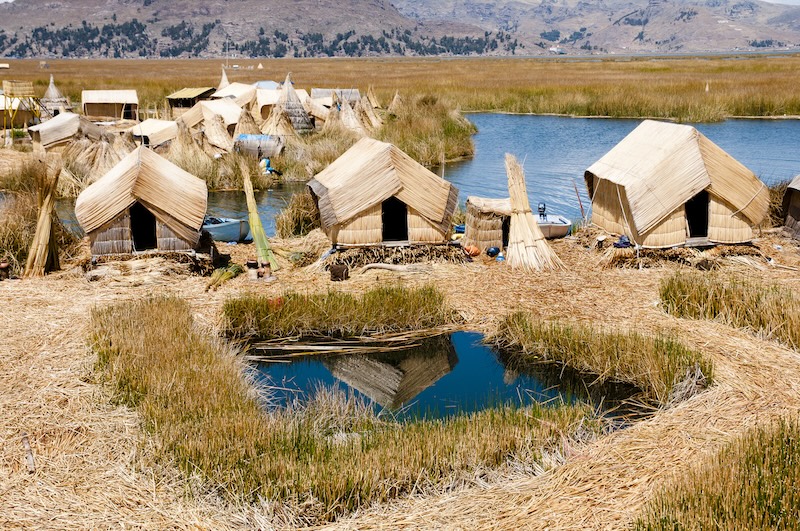
The Ingenious Construction of the Floating Islands
The Uros Floating Islands are a marvel of human engineering. These islands are constructed using totora reeds, a natural resource abundant in Lake Titicaca. This unique method is both practical and sustainable, showcasing the Uros people's deep understanding of their environment.
The process begins with cutting totora reeds from the lake's marshy banks. Once harvested, these reeds are bundled and tied together to form a foundation. The floating base remains buoyant due to the reeds' spongy, air-filled properties.
Layers of reeds are continuously added on top of each other. This technique not only creates buoyancy but also stability for the islands. Each island requires periodic maintenance, as the lower layers gradually decompose in water.
Steps in Constructing a Uros Floating Island:
- Harvesting Reeds: Gather totora reeds from Lake Titicaca.
- Bundling Reeds: Tie bundles to form the island's foundation.
- Adding Layers: Continuously add reed layers for stability.
- Securing with Anchors: Use stone and rope to prevent drifting.
The construction process is a communal effort. Families work together, sharing labor and resources to maintain their floating homes. This sense of community helps keep the islands vibrant and operational.
Each island can host multiple family units, ensuring a balance between space and sustainability. Structures such as huts, also made from reeds, provide shelter from the Andean elements.
Innovative as it is, the construction method represents more than architectural skill. It highlights a symbiotic existence with nature, where the lake's resources are utilized without depleting or harming the environment. This harmonious relationship remains a core element of the Uros people's survival and cultural identity.
Life on the Uros Islands: Culture and Traditions
Life on the Uros Islands is a vibrant tapestry of culture and tradition. The Uros people have developed a unique lifestyle intimately tied to their floating homes. Daily life on the islands revolves around the lake, which provides both sustenance and connection.
The Uros are skilled fishermen, relying heavily on fish caught from Lake Titicaca. Traditional fishing methods are still in use, ensuring a sustainable catch. Lake Titicaca not only feeds the Uros people but also shapes their daily routines and social practices.
Craftsmanship is an essential part of Uros culture. Islanders create stunning textiles and handicrafts, showcasing their artistic talents. These creations are not only practical but also represent cultural expressions and storytelling traditions.
Music and dance also play a significant role in daily life. Traditional instruments and songs bring the community together for celebrations and rituals. This musical heritage fosters a sense of unity and pride among the islanders.
Elements of Uros Culture:
- Fishing Techniques: Use of traditional, sustainable methods.
- Handicrafts: Creation of textiles and crafts using local materials.
- Music and Dance: Integral to community festivities and ceremonies.
- Oral Traditions: Rich storytelling passed through generations.
Social structure within the islands emphasizes community and cooperation. Families support one another in both labor and daily tasks. This cooperative culture ensures the islands' longevity and harmony.
Education is a recent addition to island life. Children attend schools on the larger islands or in Puno, blending traditional knowledge with modern education. This integration helps preserve their cultural heritage while preparing the younger generation for broader opportunities.
Uros traditions are deeply rooted in respect for nature and their ancestors. The community remains committed to preserving their way of life, ensuring that their unique cultural identity continues to thrive on Lake Titicaca.
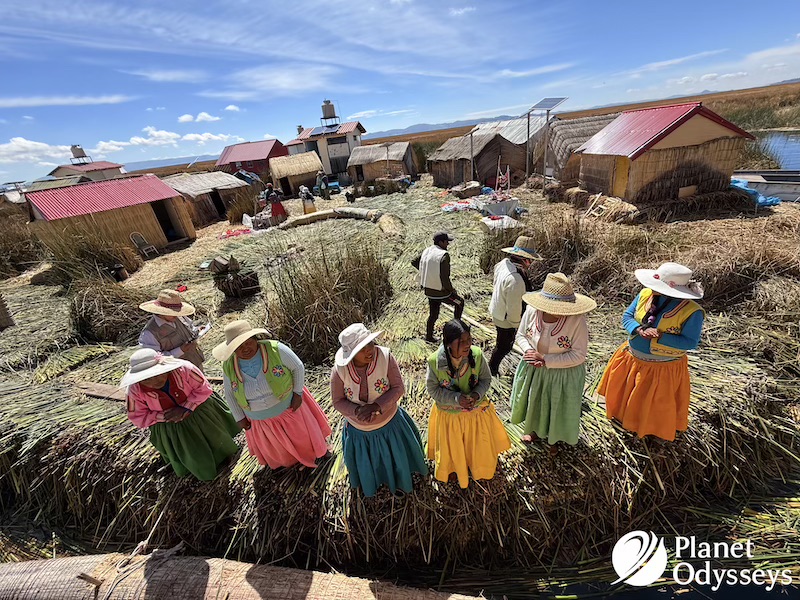
The Uros People: Language, Community, and Resilience
The Uros people speak Aymara, which is integral to their cultural identity. While some also speak Spanish, Aymara remains prevalent in daily interactions, preserving their linguistic heritage. Language is a powerful vessel for passing down ancient wisdom and customs.
Community spirit is the foundation of life on the Uros islands. The people emphasize collective work and mutual aid, ensuring the well-being of every member. This tight-knit community thrives on the shared responsibilities and joys of island life.
Resilience defines the Uros people, who have adapted over centuries to challenges from both nature and modernization. Their floating islands have withstood the test of time, reflecting their ingenuity and determination. Continuous maintenance of the islands demonstrates their commitment to preserving their unique lifestyle.
Cultural resilience is further evidenced by the Uros people's ability to integrate modern conveniences without losing their essence. Solar panels, for example, harness renewable energy, highlighting their innovative spirit while respecting traditional practices. This blend of old and new enriches their daily life and cultural practices.
The Uros islands stand as a testament to the enduring spirit and adaptability of the Uros people. In a world constantly changing, their dedication to sustaining their traditions while embracing beneficial innovations is truly remarkable.
Sustainable Living and Environmental Challenges
The Uros people exemplify sustainable living through their harmonious relationship with nature. Using totora reeds, they craft islands, homes, and boats, showcasing resourcefulness and eco-friendly practices. This reliance on natural materials is central to their survival and tradition.
Despite their efforts, the Uros face environmental challenges that threaten their way of life. The floating islands undergo constant wear due to water and natural decomposition. This necessitates relentless efforts to replenish the reeds, underscoring their commitment to preserving their habitat.
Lake Titicaca itself is not immune to environmental pressures. Pollution from nearby urban areas poses threats to the lake's ecosystem and the biodiversity it supports. The Uros community actively participates in conservation efforts to protect their precious environment from these adverse impacts.
Facing these challenges, the Uros people deploy innovative solutions to ensure sustainable living. Modern utilities, such as solar panels and eco-friendly waste management, complement their traditional practices. This adaptability illustrates their dedication to blending old with new while minimizing ecological footprints.
Their proactive approach also involves community-driven initiatives focused on sustainability. For those interested in these practices, visiting the Uros islands offers insight into several methods, such as:
- Integrated renewable energy solutions.
- Eco-friendly building materials.
- Traditional knowledge in environmental stewardship.
The Uros islands serve as a learning ground for sustainable practices that respect both heritage and the natural world.
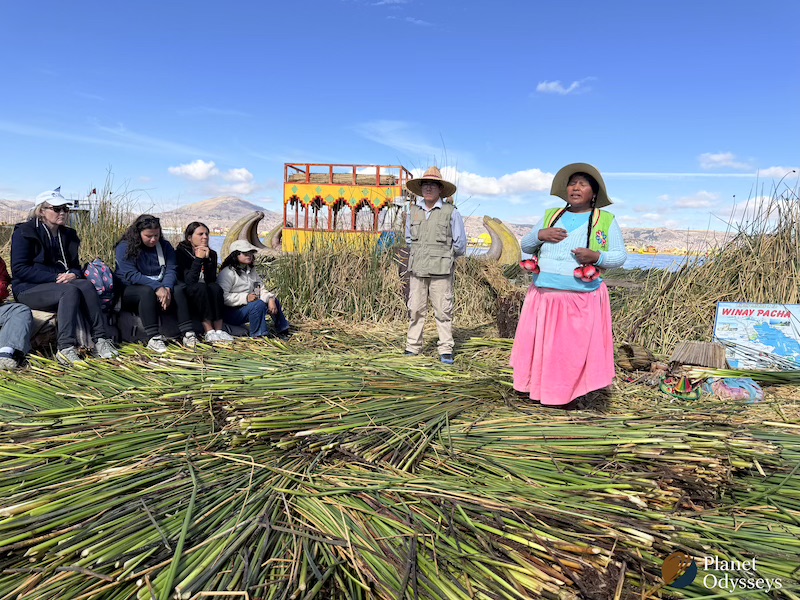
Visiting the Uros Floating Islands: Practical Guide
The Uros Floating Islands, a marvel of human innovation, are accessible to visitors eager to explore indigenous cultures and breathtaking landscapes. This guide offers essential tips on planning a visit to these unique islands. Understanding how to get there, what tours are available, and what to expect will enhance your experience.
Before embarking on your journey, familiarize yourself with the logistics of reaching Lake Titicaca and its islands. The primary gateway to this enchanting destination is Puno, a charming city in Peru. Organized tours depart daily from Puno's lively harbor, making travel arrangements relatively straightforward.
Visitors can choose from a variety of tours, each offering a different perspective on the Uros way of life. Opt for guided trips that promise in-depth cultural experiences while minimizing environmental impact. Tour operators often collaborate with local Uros guides, ensuring authentic engagement with the community.
When preparing for your journey, consider what to expect during your visit. The islands offer insight into traditional crafts, vibrant music, and Uros hospitality. Being aware of what awaits will allow you to engage with this rich culture respectfully and appreciatively.
Striking a balance between exploration and respect is vital when visiting. Adhering to local customs and understanding the cultural significance of the islands enriches your experience and supports the community. Thus, being a responsible traveler on this journey can be deeply rewarding.
For the most fulfilling experience, consider the amenities available on tours. Some might feature overnight stays or dining experiences that allow you to further immerse yourself in the lifestyle of the Uros people. The islands offer unparalleled opportunities for unique cultural exchange.
In summary, planning your visit thoughtfully will not only enhance your experience but also contribute to the preservation of this extraordinary way of life. Here is what to keep in mind during your visit:
- Immerse in the culture with a guided tour.
- Engage respectfully with local customs.
- Enjoy the breathtaking beauty of Lake Titicaca.
How to Get to Lake Titicaca and the Uros Islands
Reaching the Uros Floating Islands begins with a flight to the bustling city of Juliaca. Located about an hour from Puno, Juliaca's airport offers flights from major Peruvian cities like Lima and Cusco. From Juliaca, buses or private transfers are available for the journey to Puno.
Once in Puno, the port becomes the starting point for most tours to the islands. Numerous boats ferry tourists across the shimmering waters of Lake Titicaca. These boats range from small, private vessels to larger group tours, each offering unique perspectives of the lake.
Travelers should ensure they account for the high altitude when planning their trip. Lake Titicaca sits at over 3,800 meters above sea level. Acclimatizing adequately is crucial for enjoying the experience comfortably and safely.
Staying in Puno for a couple of days before embarking on the tour can help acclimate to the altitude. This rest allows visitors to better enjoy the cultural riches and natural wonders that await them. The acclimatization period also offers an opportunity to explore Puno’s colorful markets and local attractions.
Types of Tours and Experiences
Variety defines the types of tours available to Lake Titicaca and the Uros Islands. Whether you're seeking an in-depth cultural encounter or a scenic day trip, there's an option to match your interest. Choosing the right tour can greatly enhance your overall travel experience.
Tours usually range from short half-day excursions to more immersive overnight stays. Each provides unique experiences, from weaving demonstrations with locals to mesmerizing traditional music performances. These experiences offer a glimpse into the vibrant heritage of the Uros people.
Some tour operators offer private, customized itineraries, often featuring personalized interactions with island residents. These tours provide richer cultural exchanges and deeper learning opportunities. They are ideal for those with specific interests, such as crafting or photography.
To assist with planning, here’s a breakdown of popular tour types:
- Half-Day Tours: Offer a brief yet insightful glimpse of Uros culture.
- Full-Day Tours: Include visits to multiple islands and cultural activities.
- Overnight Stays: Offer immersive experiences and accommodation with local families.
Selecting a tour that suits your travel style ensures a rewarding experience. Engaging with local traditions directly supports the community's economy, making your visit meaningful.
What to Expect During Your Visit
Visitors to the Uros Floating Islands can expect a mix of cultural immersion and stunning scenery. Encounters with Uros residents reveal a lifestyle deeply rooted in tradition. These personal interactions are highlights, offering insights into the resilience and artistry of the island community.
As you step onto the islands, you'll be greeted by buoyant platforms made entirely from reeds. These ancient engineering marvels are continually rebuilt, showcasing the resourcefulness of the Uros people. Alongside viewing homes and boats made from reeds, visitors can partake in crafting sessions, gaining hands-on experience.
Expect to learn about daily life on the islands through storytelling and demonstrations. The community is known for vibrant textiles and intricate handicrafts, reflecting their rich cultural heritage. Participating in these activities provides a deeper understanding of their centuries-old traditions.
Prepare for the high altitude and varying weather conditions on the lake. Dressing in layers ensures comfort amidst the fluctuating temperatures experienced at this elevation. The lake's remarkable clarity and surrounding landscapes also offer ample opportunities for photography and reflection.
For your convenience, here are some aspects to anticipate:
- Cultural Activities: Crafting, music, and storytelling.
- Reed Constructions: Homes, boats, and the islands themselves.
- Scenic Views: Photogenic lake and Andean backdrop.
Embrace the opportunity to connect with both people and place, fostering memories that will linger long after your visit.
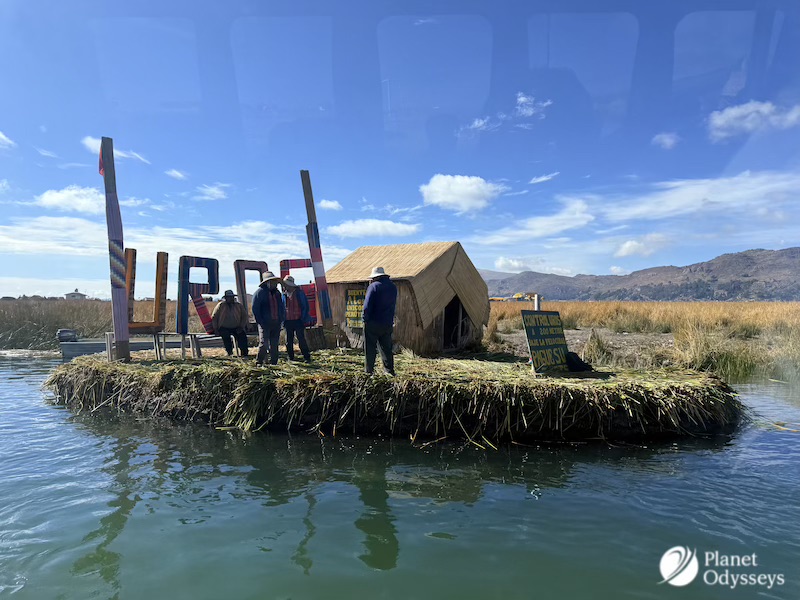
Responsible Tourism and Cultural Respect
When visiting the Uros Floating Islands, practicing responsible tourism is essential. Respecting the community’s heritage and traditions enriches your experience and fosters mutual understanding. Observing simple guidelines ensures your visit benefits both travelers and residents.
Firstly, engage with the locals in meaningful ways, taking care to listen and learn. This cultural exchange allows a genuine appreciation of their unique way of life. Respect their privacy and traditions, which might differ significantly from your own.
Supporting the local economy through purchasing handmade crafts directly benefits the Uros community. This simple act contributes significantly to sustaining their livelihoods. Here are a few ways to ensure responsible tourism:
- Respect Cultural Practices: Follow local customs and guidelines.
- Purchase Local Goods: Support artisans by buying crafts and textiles.
- Minimize Environmental Impact: Take care to leave no trace and avoid littering.
Remember, responsible tourism ensures the sustainability of these islands for future generations to enjoy. Treating the Uros Islands and their people with reverence enhances your travel experience and encourages cultural preservation.
The Uros Islands in the Modern World
In today's interconnected world, the Uros Islands remain a beacon of cultural resilience. While the Uros people have embraced some modern conveniences, they strive to preserve their ancient traditions. This balance between adaptation and heritage is striking.
Technology has subtly woven into their daily lives. Solar panels power basic amenities, providing a glimpse of modernity amidst traditional surroundings. Yet, the Uros community remains deeply committed to safeguarding their customs and environment.
Tourism plays an essential role in their economy. Visitors bring not only financial benefits but also opportunities for cultural exchange. The Uros people, keen on sharing their history, educate guests about their remarkable lifestyle.
Moreover, global interest in the Uros Floating Islands fosters awareness of indigenous cultures. This heightened visibility ensures that their unique way of life continues to inspire future generations. Through this fusion of old and new, the Uros Islands gracefully anchor in the modern era while looking toward the future with hope.
Frequently Asked Questions about the Uros Floating Islands
The Uros Floating Islands are a source of wonder and many questions arise from curious travelers. Here are answers to some common queries regarding these incredible structures.
What are the Uros Floating Islands?
- The islands are man-made, constructed from dried totora reeds that naturally grow in Lake Titicaca.
- They are home to the Uros people, who have lived there for centuries.
How do the islands stay afloat?
- The islands float thanks to a thick base of reeds and roots, which is periodically replenished to maintain buoyancy.
- This process requires regular maintenance as the reeds naturally decompose.
Why did the Uros people build these islands?
- They originally created these floating havens to escape conflicts with aggressive neighboring tribes on land.
- Today, the islands not only provide a safe residence but also serve as a cultural emblem for the Uros.
Key Takeaways and Inspiration for Travelers, Educators, and Creators
The Uros Floating Islands offer a wealth of insights for those willing to delve deeper. These man-made wonders on Lake Titicaca serve as more than just a tourist attraction. They inspire curiosity about sustainable living and indigenous resilience.
We craft unique itineraries that emphasize the cultural richness and historical legacy of the Uros Islands. Geography teachers will find these islands a captivating case study of human adaptation to natural environments. Their narratives can spark student interest in indigenous cultures and environmental challenges.
Social media influencers can capture the vibrant life and breathtaking landscapes of the Uros Islands to inspire followers. The islands' harmonious blend of tradition and innovation provides endless storytelling possibilities. These experiences emphasize the importance of cultural preservation and ecological balance.
disable
[simple-author-box]